
India’s artificial intelligence ecosystem is experiencing unprecedented growth, with the AI market projected to reach ₹7.8 lakh crore ($94 billion) by 2025. This technological revolution presents immense opportunities for Indian entrepreneurs to develop innovative solutions that address unique local challenges while leveraging global AI advancements.
The convergence of India’s robust IT infrastructure, growing data availability, and government initiatives like Digital India has created a fertile ground for AI-driven startups. This article explores 10 actionable AI project ideas specifically tailored for Indian entrepreneurs, focusing on sectors with significant market gaps and growth potential.
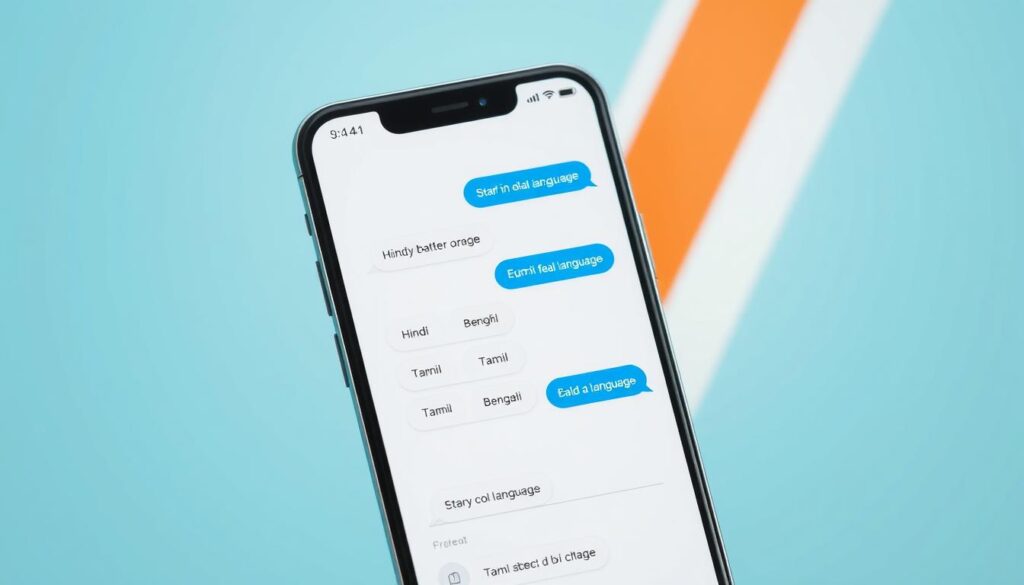
1. AI-Powered Regional Language Chatbots for Customer Service
With 22 official languages and over 19,500 dialects, India presents a unique opportunity for AI-powered multilingual customer service solutions that can bridge the language divide between businesses and consumers.
Concept
Develop AI chatbots that can understand, process, and respond in multiple Indian languages, enabling businesses to provide 24/7 customer support to India’s diverse linguistic population. These chatbots can handle routine queries, process orders, and escalate complex issues to human agents when necessary.
Business Potential
The Indian customer service market is expected to reach ₹1,03,000 crore by 2025, with a significant portion requiring regional language support. Small and medium enterprises across retail, banking, healthcare, and government services are actively seeking cost-effective solutions to engage with customers in their preferred languages.
Implementation
- Natural Language Processing (NLP) libraries like BERT, spaCy, and AI4Bharat’s IndicNLP
- Cloud platforms: AWS, Google Cloud, or Microsoft Azure for deployment
- Integration APIs for WhatsApp, Telegram, and website widgets
- Speech-to-text and text-to-speech capabilities for voice support
Example
Vernacular.ai (now Skit.ai) has developed an AI-based voice automation platform that supports over 16 Indian languages and dialects. Their solution helps businesses automate up to 80% of call center operations by understanding diverse accents, dialects, and mixed language conversations.
Ready to explore multilingual AI solutions?
Get expert guidance on implementing regional language AI chatbots for your business.
2. Precision Agriculture Systems for Small Farmers
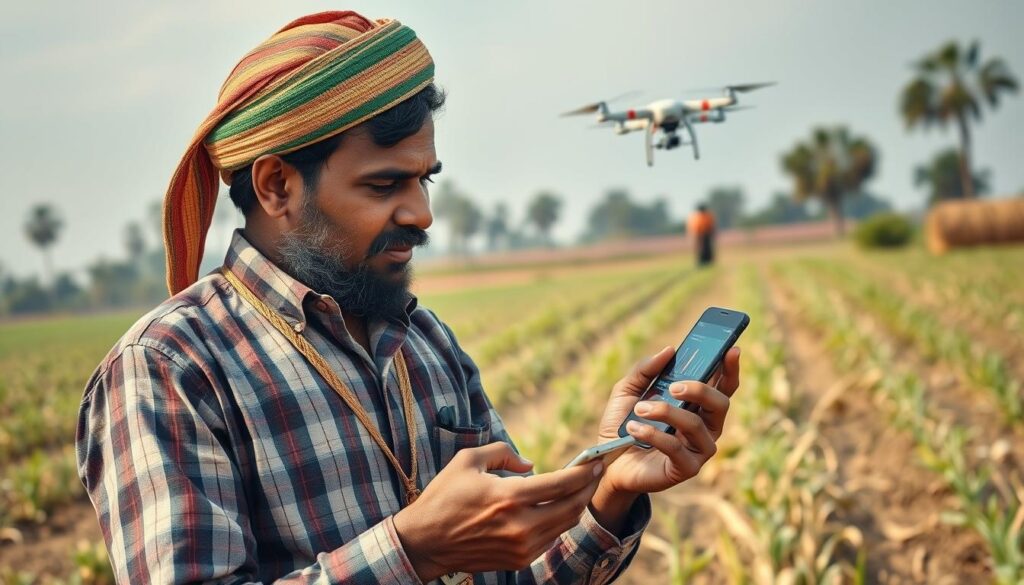
Agriculture employs nearly 60% of India’s workforce, yet small farmers face challenges like unpredictable weather, pest outbreaks, and limited access to modern farming techniques. AI-driven precision agriculture can democratize access to advanced farming technologies.
Concept
Create an integrated AI system that combines satellite imagery, IoT sensors, and machine learning to provide actionable insights for small farmers. The solution can offer crop health monitoring, pest detection, irrigation optimization, and yield prediction through a simple mobile interface.
Business Potential
India’s agricultural technology market is projected to grow to ₹50,000 crore by 2025. With over 120 million small farmers seeking affordable technologies to increase productivity and reduce crop losses, there’s immense potential for scalable AI solutions in this sector.
Implementation
- Computer vision models for crop and pest identification
- Weather APIs and satellite imagery integration
- Low-cost IoT sensors for soil moisture and nutrient monitoring
- Mobile app with offline capabilities for rural areas with limited connectivity
Example
CropIn has developed an AI-powered agri-tech platform that provides farm management solutions, crop monitoring, and predictive analytics. Their SmartFarm platform has helped over 7 million farmers across 56 countries improve crop yield and reduce losses.

3. AI-Driven Diagnostic Tools for Rural Healthcare
Rural India faces a severe shortage of healthcare professionals, with just one doctor for every 10,000 people in many regions. AI-powered diagnostic tools can bridge this gap by enabling early detection and treatment of common diseases.
Concept
Develop AI algorithms that can analyze medical images, vital signs, and patient symptoms to provide preliminary diagnoses for common conditions. These tools can be designed to work on low-cost devices and with minimal internet connectivity, making them suitable for rural health centers.
Business Potential
India’s healthcare AI market is expected to reach ₹25,000 crore by 2025. With government initiatives like Ayushman Bharat aiming to improve healthcare access for 500 million citizens, there’s significant demand for affordable diagnostic solutions that can operate in resource-constrained environments.
Implementation
- Deep learning models for medical image analysis (X-rays, ultrasounds)
- Natural language processing for symptom analysis
- Edge computing for offline functionality
- Integration with telemedicine platforms for specialist consultations
Example
Niramai has developed a non-invasive, radiation-free breast cancer screening solution using thermal imaging and AI. Their portable solution is particularly valuable in rural areas where mammography machines are unavailable, and it costs significantly less than traditional screening methods.
Interested in healthcare AI solutions?
Learn how to develop and implement AI diagnostic tools for underserved markets.
4. Personalized EdTech Platforms with Vernacular Support
Despite having the world’s largest youth population, India’s education system struggles with standardized approaches that don’t address individual learning needs. This challenge is compounded by language barriers, as many students are more comfortable learning in their regional languages.
Concept
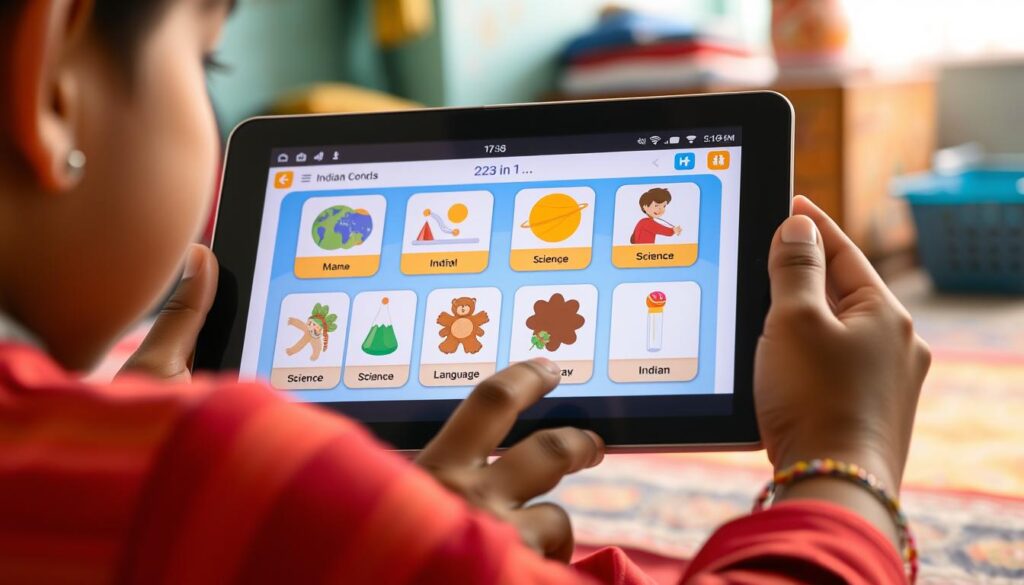
Create an AI-powered educational platform that delivers personalized learning experiences in multiple Indian languages. The system can adapt content difficulty, learning pace, and teaching methods based on each student’s performance, preferences, and learning style.
Business Potential
India’s edtech market is projected to reach ₹30,000 crore by 2025. With over 250 million K-12 students and growing internet penetration in tier 2 and tier 3 cities, there’s substantial demand for vernacular, personalized learning solutions that can improve educational outcomes.
Implementation
- Machine learning algorithms for personalized learning path creation
- Natural language processing for content translation and adaptation
- Speech recognition for pronunciation assessment
- Gamification elements to increase engagement
Example
Doubtnut has developed an AI-powered learning platform that allows students to take photos of math problems and receive instant video solutions in their preferred language. Their platform supports Hindi, English, and several other Indian languages, making quality education accessible to millions of students.
5. Waste Management Optimization Using Computer Vision
India generates over 62 million tonnes of waste annually, with less than 30% being properly processed. Urban areas particularly struggle with efficient waste collection, segregation, and recycling.
Concept
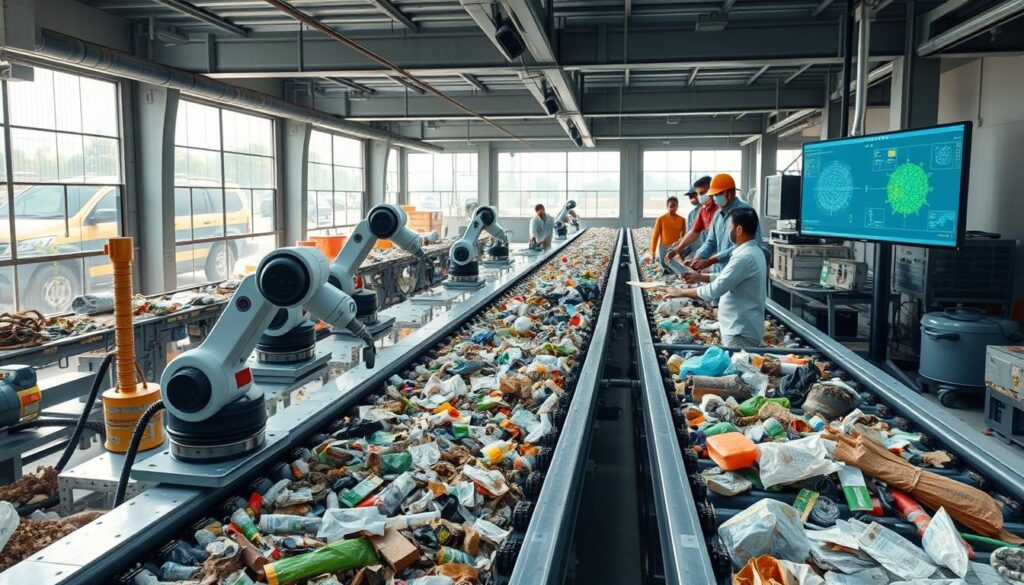
Develop a computer vision-based system that can identify, classify, and track waste materials throughout the collection and processing chain. The solution can optimize collection routes, automate segregation, and improve recycling rates through intelligent sorting.
Business Potential
The Indian waste management market is expected to reach ₹15,000 crore by 2025. With the government’s Swachh Bharat Mission and growing environmental consciousness, municipalities and private waste management companies are actively seeking innovative solutions to improve efficiency and sustainability.
Implementation
- Computer vision models for waste identification and classification
- IoT sensors for bin fill-level monitoring
- Route optimization algorithms for collection vehicles
- Blockchain for transparent waste tracking and recycling verification
Example
Recykal has developed a digital waste management platform that connects waste generators, processors, and recyclers. Their AI-powered solution helps track waste movement, optimize collection, and improve recycling rates across India.
Building a sustainable future with AI?
Get expert insights on implementing AI solutions for environmental challenges.
6. AI-Based Fraud Detection for Fintech Startups
India’s digital payment ecosystem is growing rapidly, with UPI transactions exceeding ₹8 lakh crore monthly. However, this growth has also led to increased financial fraud, creating a need for robust security solutions.
Concept
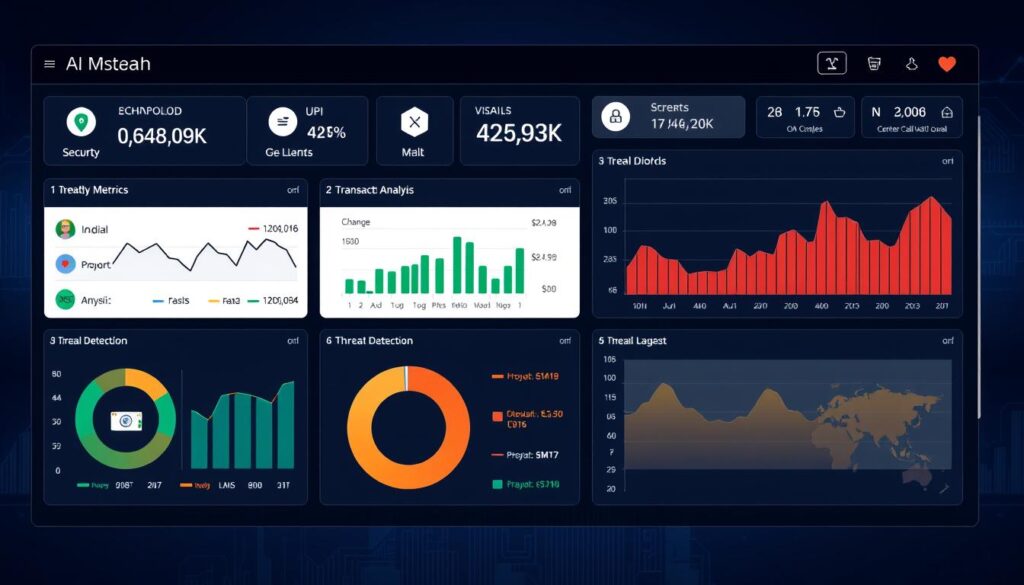
Create an AI-powered fraud detection system specifically designed for Indian fintech startups and small financial institutions. The solution can analyze transaction patterns, user behavior, and contextual data to identify suspicious activities in real-time.
Business Potential
India’s fintech market is projected to reach ₹6,20,000 crore by 2025. With over 2,100 fintech startups in the country and growing concerns about digital fraud, there’s significant demand for affordable, effective fraud detection solutions tailored to the Indian context.
Implementation
- Anomaly detection algorithms for unusual transaction patterns
- Machine learning models for behavioral biometrics
- Natural language processing for communication analysis
- Real-time alert system with configurable risk thresholds
Example
Simility (acquired by PayPal) developed an AI-powered fraud prevention platform that combines machine learning with traditional rules-based approaches. Their solution helps financial institutions detect and prevent various types of fraud, including account takeovers and synthetic identity fraud.

7. Smart Inventory Forecasting for MSMEs
India’s 63 million Micro, Small, and Medium Enterprises (MSMEs) often struggle with inventory management, leading to stockouts or excess inventory that ties up capital and reduces profitability.
Concept
Develop an AI-powered inventory forecasting system that analyzes historical sales data, seasonal trends, market conditions, and external factors to predict optimal inventory levels. The solution should be affordable and easy to use for small businesses with limited technical expertise.
Business Potential
India’s MSME sector contributes 30% to the GDP and employs over 110 million people. With government initiatives promoting digital adoption among MSMEs, there’s growing demand for affordable technology solutions that can improve operational efficiency and profitability.
Implementation
- Time series forecasting models for demand prediction
- Computer vision for automated stock counting
- Simple mobile interface with minimal training requirements
- Integration capabilities with popular accounting and POS software
Example
Increff has developed an AI-powered inventory management platform that helps retailers optimize stock levels, reduce stockouts, and improve working capital efficiency. Their solution has helped businesses reduce inventory levels by up to 40% while maintaining high availability.
Optimize your business operations with AI
Discover how AI can help your MSME improve inventory management and boost profitability.
8. Traffic Management Solutions for Indian Cities
India’s urban areas face severe traffic congestion, with major cities like Mumbai, Delhi, and Bangalore ranking among the world’s most congested. This congestion costs the economy billions in lost productivity and fuel waste.
Concept
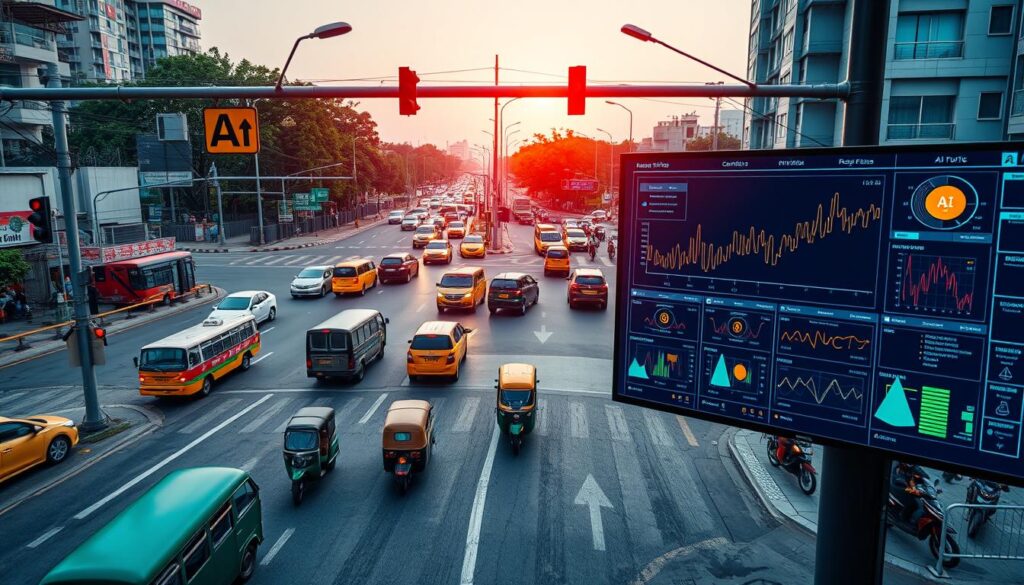
Create an AI-powered traffic management system that uses camera feeds, sensor data, and historical patterns to optimize traffic flow in real-time. The solution can adjust signal timings, suggest alternative routes, and provide predictive analytics for urban planning.
Business Potential
India’s smart city market is expected to reach ₹2,00,000 crore by 2025. With 100 cities under the Smart Cities Mission and growing urbanization, there’s significant demand for intelligent traffic management solutions that can reduce congestion and improve mobility.
Implementation
- Computer vision for vehicle detection and counting
- Predictive algorithms for traffic flow optimization
- Edge computing for real-time signal control
- Mobile app integration for driver alerts and navigation
Example
Videonetics has developed an AI-powered Intelligent Traffic Management System that analyzes video feeds to detect traffic violations, optimize signal timings, and provide real-time analytics. Their solution has been deployed in several Indian cities, reducing congestion and improving traffic flow.

9. AI-Curated Hyperlocal Content Platforms
Despite India’s diverse cultural landscape and regional interests, most digital content platforms offer generalized content that fails to address hyperlocal needs and preferences.
Concept
Develop an AI-powered platform that curates and delivers hyperlocal content based on user location, preferences, and community interests. The solution can aggregate news, events, services, and user-generated content relevant to specific neighborhoods or communities.
Business Potential
India’s digital content consumption is growing at 30% annually, with regional language content growing even faster. With over 700 million internet users seeking relevant local information, there’s substantial opportunity for platforms that can deliver personalized, hyperlocal content.
Implementation
- Natural language processing for content categorization and summarization
- Recommendation algorithms for personalized content delivery
- Geolocation services for hyperlocal targeting
- User-generated content moderation using AI
Example
Lokal has developed a hyperlocal news app that delivers verified local updates in vernacular languages. Their platform uses AI to curate and categorize content from various sources, providing users with relevant information about their immediate surroundings.
Create content that truly resonates
Learn how AI can help you deliver personalized, hyperlocal content experiences.

10. Voice-Based AI Assistants for Informal Retailers
India’s retail landscape is dominated by over 12 million small, informal retailers (kiranas) who often lack digital tools and systems to manage their businesses efficiently.
Concept
Create a voice-based AI assistant specifically designed for small retailers, enabling them to manage inventory, track sales, place orders, and access financial services through simple voice commands in their preferred language.
Business Potential
India’s retail tech market is expected to reach ₹75,000 crore by 2025. With millions of small retailers seeking affordable digital solutions and growing smartphone penetration, there’s significant opportunity for voice-first tools that overcome literacy and technology barriers.
Implementation
- Speech recognition optimized for Indian accents and languages
- Natural language understanding for retail-specific commands
- Integration with wholesale suppliers and payment systems
- Offline functionality for areas with limited connectivity
Example
OkCredit has developed a digital bookkeeping app that helps small merchants manage credit transactions with customers. While not primarily voice-based, their simple interface demonstrates the potential for technology solutions tailored to informal retailers.
Conclusion: Turning AI Ideas into Successful Ventures
The AI project ideas presented in this article address significant market gaps in the Indian context while leveraging the country’s unique strengths in technology, data, and human capital. For entrepreneurs looking to venture into the AI space, these ideas offer promising starting points with substantial growth potential.
What sets these ideas apart is their focus on solving India-specific challenges while being scalable to similar markets globally. By starting with open-source tools and frameworks, entrepreneurs can prototype and validate these concepts with minimal initial investment before seeking funding for full-scale development.
As India continues its digital transformation journey, entrepreneurs who combine AI capabilities with deep domain expertise and a thorough understanding of local needs will be well-positioned to build successful, impactful ventures.
Ready to bring your AI project to life?
Our team of AI experts can help you validate your idea, develop a prototype, and create a roadmap for implementation.
Frequently Asked Questions
What skills do I need to implement these AI project ideas?
While technical skills in programming (Python), machine learning frameworks (TensorFlow, PyTorch), and data analysis are valuable, you don’t necessarily need to be a technical expert to start. Many successful AI ventures begin with domain expertise and a clear problem statement, with technical implementation handled by hired developers or technical co-founders. Consider starting with no-code/low-code AI platforms or partnering with technical experts to bring your idea to life.
How much funding would I need to start an AI venture in India?
Initial funding requirements vary based on the complexity of your AI solution and go-to-market strategy. Many successful AI startups begin with a minimal viable product (MVP) developed for ₹10-30 lakhs. Government grants through Startup India, BIRAC, and other programs can provide initial funding. Angel investors and incubators specializing in AI ventures are also increasingly active in India. Focus on developing a proof of concept that demonstrates clear value before seeking larger funding rounds.
Where can I find data to train my AI models for the Indian market?
For Indian language processing, resources like AI4Bharat, IndicNLP, and Bhashini provide datasets and pre-trained models. Government platforms like Open Government Data Platform India offer various public datasets. Industry-specific data may require partnerships with relevant organizations or creating your own datasets through field research. Consider using synthetic data generation techniques to augment limited datasets, especially for niche applications.
What are the regulatory considerations for AI startups in India?
India is developing its AI regulatory framework, with the Digital Personal Data Protection Act 2023 being a key consideration for AI applications using personal data. Sector-specific regulations apply in domains like healthcare (telemedicine guidelines) and finance (RBI regulations). The upcoming Digital India Act may introduce AI-specific provisions. Stay informed about evolving regulations and consider consulting with legal experts specializing in technology law to ensure compliance.