

India stands as the third-largest startup ecosystem globally in 2026. The country continues to foster innovation and entrepreneurship at unprecedented levels. Starting a startup in India has never been more accessible thanks to government initiatives, funding opportunities, and streamlined registration processes.
This comprehensive guide walks you through every step needed to launch your startup successfully. Whether you’re a first-time entrepreneur or an experienced business professional, understanding the regulatory landscape and available resources is crucial. The Indian government offers numerous benefits and schemes specifically designed to support new businesses.
The journey from idea to execution requires careful planning and knowledge of legal requirements. This article covers registration processes, funding strategies, tax benefits, technology considerations, and market entry tactics. You’ll discover actionable insights to navigate the Indian startup ecosystem in 2026.
Start Your Startup Journey with Confidence
Download our comprehensive 2026 Startup Launch Checklist. Get step-by-step guidance on registration, compliance, funding, and growth strategies specifically designed for Indian entrepreneurs.
Understanding the Startup India Ecosystem in 2026
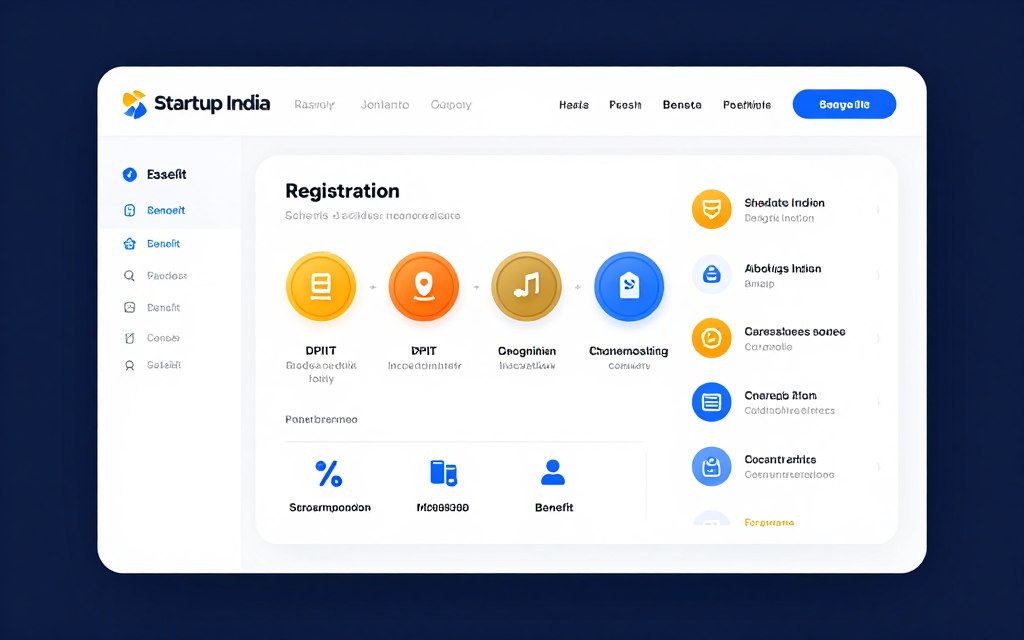
The Startup India initiative launched by the government has transformed India into a global innovation hub. The scheme provides recognition, funding support, and tax exemptions to eligible startups. Understanding this ecosystem forms the foundation of your entrepreneurial journey.
What Defines a Startup in India
The Department for Promotion of Industry and Internal Trade defines specific criteria for startup recognition. A business entity qualifies as a startup if it operates for less than ten years from incorporation. The entity must be a private limited company, limited liability partnership, or registered partnership firm.
Annual turnover should not exceed one hundred crore rupees in any financial year. The entity must work toward innovation, development, or improvement of products, processes, or services. It should have a scalable business model with high potential for employment generation and wealth creation.
Benefits of Startup India Recognition
DPIIT recognition unlocks numerous advantages for registered startups. Tax exemptions under Section 80-IAC provide relief for three consecutive years out of ten years. Self-certification for compliance reduces regulatory burden across six labor laws and three environmental laws.
Access to government schemes becomes easier with recognition status. Startups receive fast-track patent examination with an eighty percent rebate on filing fees. The government also provides support through Startup India Seed Fund Scheme for proof of concept and market entry.
Direct Benefits
- Income tax exemptions for qualifying years
- Self-certification for compliance requirements
- Patent application fast-tracking with fee reduction
- Access to government tenders without earnest money
- Easier public procurement opportunities
Indirect Benefits
- Credibility boost with investors and partners
- Networking opportunities through government events
- Mentorship programs from industry experts
- Funding support through various schemes
- Access to incubation centers nationwide
The Growth of Indian Startup Ecosystem
India added over fifteen hundred new startups in the first half of 2025 alone. The country now hosts more than one hundred unicorns valued over one billion dollars each. Technology, fintech, edtech, and healthtech sectors lead the innovation wave.
Tier-2 and tier-3 cities are emerging as startup hubs beyond traditional metros. Cities like Jaipur, Kochi, Indore, and Chandigarh show significant entrepreneurial activity. The government’s focus on digital infrastructure has enabled this geographical distribution of innovation.
The ecosystem supports diverse business models from SaaS products to social enterprises. Venture capital firms, angel investors, and corporate venture arms actively seek investment opportunities. The maturity of the ecosystem provides better support systems for entrepreneurs at every stage.
Legal Structure and Registration Process for Your Startup
Choosing the right legal structure impacts taxation, liability, and fundraising capabilities. The registration process involves multiple steps across different government portals. Understanding these requirements prevents delays and ensures compliance from day one.

Choosing the Right Business Structure
Private limited company structure offers the most advantages for startups seeking funding. This structure provides limited liability protection and separate legal entity status. It allows equity distribution and makes fundraising through venture capital easier.
Limited liability partnerships combine partnership flexibility with limited liability benefits. This structure works well for professional services and smaller operations. Partnership firms offer simplicity but lack the fundraising capabilities of private limited companies.
Sole proprietorships suit individual entrepreneurs starting small businesses without external funding needs. However, this structure provides no liability protection and limits growth potential. Most serious startups avoid this structure due to scaling limitations.
- Limited liability protection for shareholders
- Separate legal entity status
- Easy to raise funding from investors
- Perpetual succession guaranteed
- Transfer of shares is straightforward
- Higher compliance and audit requirements
- Minimum two directors and shareholders needed
Private Limited Company
- Limited liability for partners
- Flexible management structure
- Lower compliance burden than companies
- No minimum capital requirement
- Suitable for professional services
- Limited funding options from investors
- Minimum two designated partners required
Limited Liability Partnership
Step-by-Step Company Registration Process
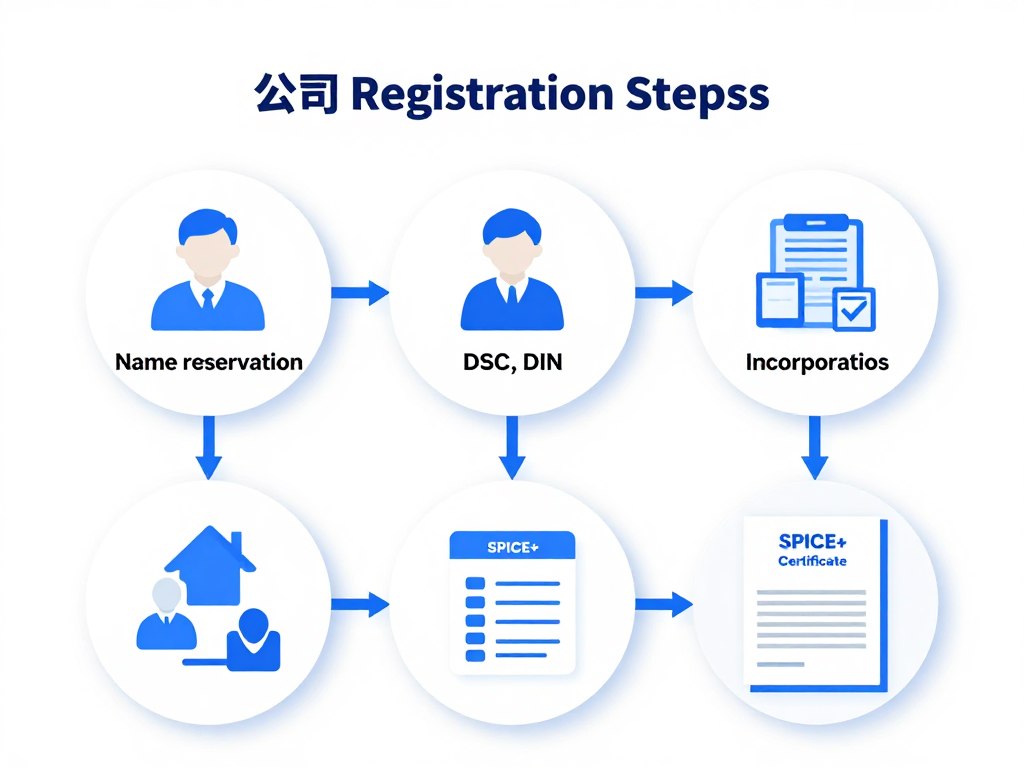
The incorporation process begins with obtaining Digital Signature Certificates for proposed directors. All directors need individual DSCs for signing electronic documents. These certificates come from authorized certifying agencies and remain valid for two years.
Director Identification Number application follows DSC procurement. Every individual wanting to be a director must obtain a DIN. The application goes through the Ministry of Corporate Affairs portal with necessary identity and address proofs.
Name reservation through RUN application ensures your chosen company name is unique and available. The system checks name availability against existing registered companies. Reserved names remain valid for twenty days for incorporation completion.
The SPICe+ form combines multiple registrations into one integrated application. This form covers company incorporation, PAN allotment, TAN application, EPFO registration, ESIC registration, profession tax enrollment, and bank account opening. The system has streamlined what previously required separate applications.
Documents Required for Registration
Identity proof includes PAN cards for all directors and shareholders. Address proof requires recent utility bills, bank statements, or Aadhar cards. Passport-sized photographs of all directors and shareholders are mandatory.
Property documents for the registered office address must be submitted. This includes a rental agreement with NOC from the owner or property ownership documents. The registered office must be a physical address with proper documentation.
Memorandum of Association and Articles of Association define company objectives and internal rules. These documents need careful drafting to avoid future complications. Professional help ensures these documents align with business goals and regulatory requirements.
| Document Type | Required For | Validity Period | Issuing Authority |
| Digital Signature Certificate | All Directors | 2 Years | Licensed Certifying Agency |
| Director Identification Number | All Directors | Lifetime | Ministry of Corporate Affairs |
| PAN Card | Directors and Company | Lifetime | Income Tax Department |
| Address Proof | Directors and Office | Within 2 Months | Various Authorities |
| Incorporation Certificate | Company | Permanent | Registrar of Companies |
Post-Incorporation Compliance Requirements
GST registration becomes mandatory if annual turnover exceeds forty lakh rupees for goods or twenty lakh rupees for services. Many startups register voluntarily even below threshold limits for credibility. The GST portal handles registration with business documents and bank details.
Professional tax registration requirements vary by state. Most states mandate registration within thirty days of business commencement. The registration process differs across states but generally requires basic company documents.
Shops and Establishment Act registration provides legal recognition under state labor laws. This registration covers workplace conditions, working hours, and employee welfare. Requirements and procedures vary significantly across different states.
The Employee Provident Fund Organization registration becomes mandatory when hiring twenty or more employees. Some startups voluntarily register earlier to attract talent. Employee State Insurance Corporation registration follows similar thresholds based on employee count and salary levels.
Simplify Your Startup Registration Process
Navigate complex legal requirements with expert guidance. Our experienced team handles company incorporation, compliance, and all necessary registrations so you can focus on building your business.
DPIIT Recognition and Startup India Scheme Benefits
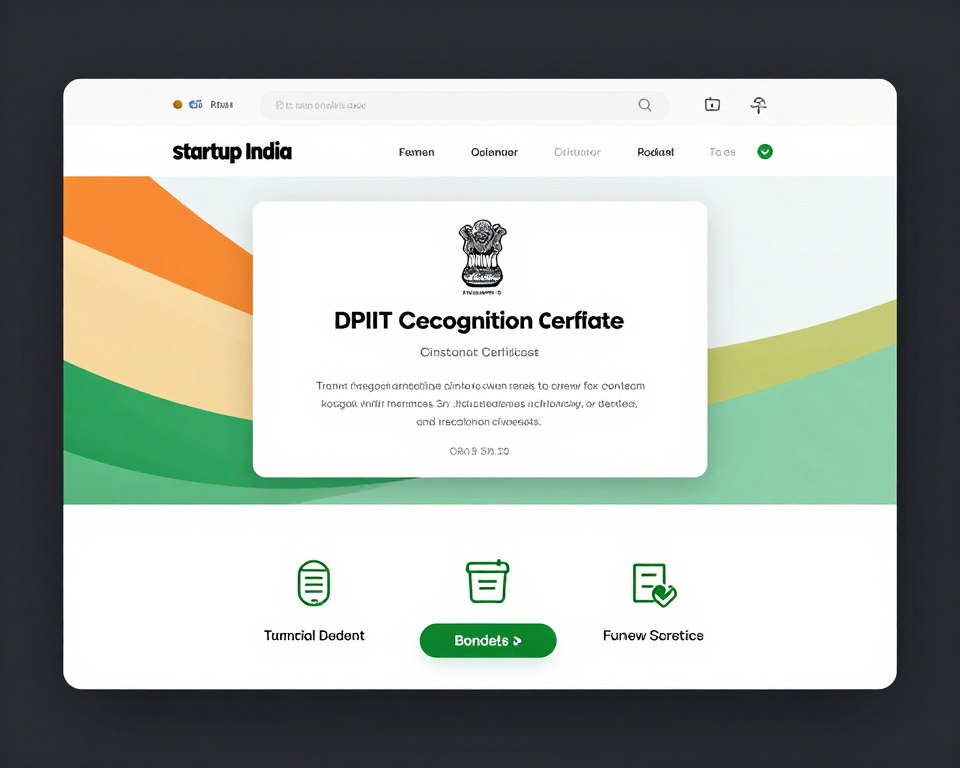
Department for Promotion of Industry and Internal Trade recognition provides official startup status. This recognition opens doors to government schemes, tax benefits, and compliance relaxations. The application process is straightforward through the Startup India portal.
Eligibility Criteria for DPIIT Recognition
The startup must be incorporated as a private limited company, partnership firm, or limited liability partnership. The entity should be incorporated less than ten years ago from the date of application. For biotechnology startups, the age limit extends to ten years.
Annual turnover must not exceed one hundred crore rupees in any preceding financial year. The business should aim at innovation, development, deployment, or commercialization of new products, processes, or services. The entity should not have been formed by splitting or reconstructing an existing business.
The startup must demonstrate scalability potential with technology or knowledge-driven approach. Employment generation capacity and wealth creation potential are important evaluation factors. The business model should show uniqueness compared to existing solutions in the market.
Application Process Through Startup India Portal
Registration on the Startup India portal requires basic company details and founder information. The portal provides a user-friendly interface for document upload and application tracking. Mobile number verification and email confirmation complete initial registration.
The application form requires details about the business model, innovation aspects, and market potential. You must upload incorporation certificate, pitch deck explaining the innovative nature, and recommendation letters if available. A detailed description of how the business qualifies as innovative is crucial.
Supporting documents include incorporation certificate, company PAN, brief about innovative nature, and pitch deck. Letters of support from incubators, accelerators, or government bodies strengthen the application. The entire process typically takes forty-five to sixty days for approval.
Important Note: Keep your pitch deck concise and focused on innovation. Clearly articulate how your product or service differs from existing solutions. Include market research data and potential impact metrics to strengthen your application.
Tax Exemptions and Financial Benefits
Eligible startups enjoy income tax exemption for three consecutive assessment years out of ten years. The exemption applies under Section 80-IAC of the Income Tax Act. Startups must obtain certification from the Inter-Ministerial Board to claim this benefit.
Angel tax exemption protects recognized startups from scrutiny on investment valuation. Previously, investments above fair market value faced taxation as income. DPIIT recognition provides relief from this provision, encouraging angel investment.
Capital gains tax exemption allows investors to avoid tax when investing in eligible startups. Long-term capital gains from other investments can be exempted if reinvested in startup funds. This provision encourages investment flow into the startup ecosystem.
Tax Benefits Overview
Recognition status qualifies startups for multiple tax exemptions designed to improve cash flow in critical early years. These benefits significantly reduce the financial burden during the initial growth phase.
Proper documentation and timely applications are essential to claim these benefits. Consulting with tax professionals ensures compliance while maximizing available exemptions. Many startups miss benefits due to lack of awareness or incomplete documentation.
Key Tax Exemptions
- Three years of income tax exemption
- Angel tax exemption on investments
- Capital gains tax relief for investors
- Reduced patent filing fees
- GST benefits under applicable schemes
- Exemption from tax audits under certain conditions
Compliance Relaxations Under the Scheme
Self-certification replaces inspector visits for six labor laws and three environmental laws. Startups can self-certify compliance without waiting for government inspections. This reduces time and resource investment in compliance management during early stages.
The government conducts inspections only on receipt of credible complaints of violation. This trust-based approach allows startups to focus on growth rather than documentation. However, false certification carries penalties, so accuracy is essential.
Reduced compliance burden extends to faster registrations and approvals from government departments. Many processes that previously took months now complete within weeks. The ease of doing business improvements specifically benefit startup operations.
Access to Government Schemes and Funding
Startup India Seed Fund Scheme provides financial assistance up to twenty lakh rupees. The fund supports idea validation, prototype development, product trials, and market entry. Over three hundred fifty incubators distribute this fund to eligible startups.
Fund of Funds for Startups, managed by SIDBI, provides indirect funding through SEBI-registered venture funds. The scheme has committed over ten thousand crore rupees to support startups. This creates a multiplier effect in the venture capital ecosystem.
Credit Guarantee Scheme provides guarantee coverage for loans up to ten crore rupees. This reduces risk for lending institutions and makes credit more accessible. Startups can secure funding without extensive collateral requirements.
Funding Options and Investment Landscape for Indian Startups in 2026
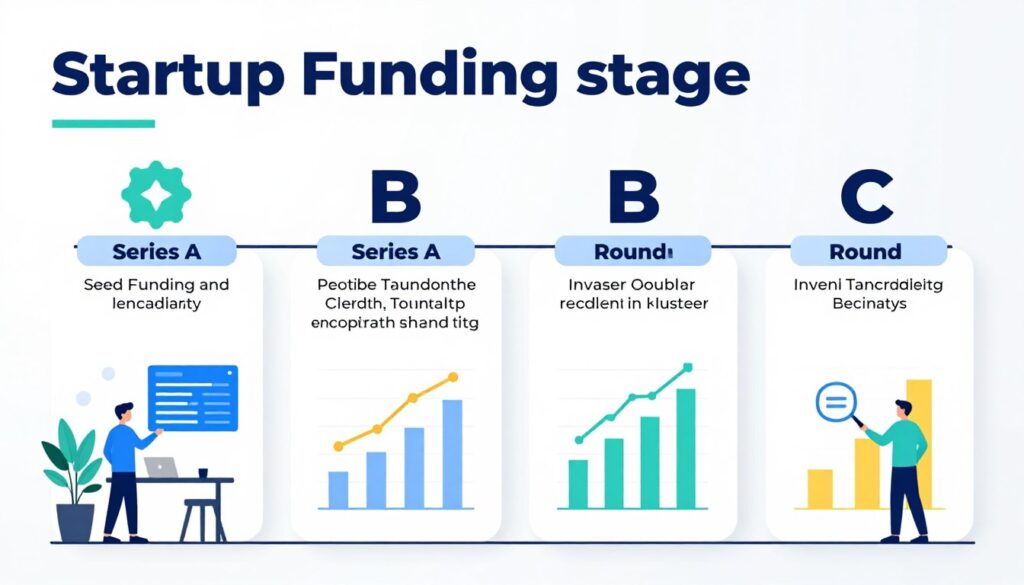
The Indian startup funding ecosystem has matured significantly with diverse capital sources. Entrepreneurs can access funds at every stage from ideation to expansion. Understanding funding options helps align capital strategy with business goals and growth stage.
Bootstrapping and Self-Funding Strategies
Bootstrapping maintains complete control and avoids equity dilution in early stages. Many successful startups began with founder savings and revenue reinvestment. This approach works well for businesses with low capital requirements and quick revenue generation.
Friends and family funding provides accessible early-stage capital with flexible terms. This informal funding helps validate the concept and build initial traction. Clear agreements prevent future relationship complications despite the informal nature.
Revenue-based financing allows growth without equity dilution. Companies repay funding as a percentage of monthly revenue until a predetermined amount is returned. This model suits businesses with steady revenue streams and predictable cash flows.
Angel Investors and Seed Funding
Angel investors provide early-stage capital typically ranging from ten lakh to two crore rupees. These high-net-worth individuals often bring valuable expertise and networks alongside funding. India has over ten thousand active angel investors operating individually or through networks.
Indian Angel Network, Mumbai Angels, and LetsVenture connect startups with angel investors. These platforms provide deal flow, due diligence support, and standardized investment processes. Pitch events and online applications facilitate connections between entrepreneurs and investors.
Seed funding rounds typically range from fifty lakh to five crore rupees. Seed funds specialize in very early-stage investments with higher risk tolerance. They provide capital for product development, team building, and initial market testing.
| Funding Stage | Typical Amount | Primary Use | Investor Type | Equity Given |
| Pre-Seed | ₹10L – ₹50L | Idea Validation | Friends, Family, Incubators | 5% – 15% |
| Seed | ₹50L – ₹5Cr | Product Development | Angel Investors, Seed Funds | 10% – 20% |
| Series A | ₹5Cr – ₹25Cr | Market Expansion | Venture Capital Firms | 15% – 25% |
| Series B | ₹25Cr – ₹100Cr | Scaling Operations | Larger VC Firms | 10% – 20% |
| Series C+ | ₹100Cr+ | Market Leadership | PE Firms, Late-Stage VCs | 5% – 15% |
Venture Capital and Private Equity
Venture capital firms invest larger amounts from Series A onwards, typically starting at five crore rupees. These firms focus on high-growth potential startups with proven business models. Leading VC firms in India include Sequoia Capital India, Accel Partners, and Nexus Venture Partners.
Series A funding focuses on optimizing product-market fit and scaling user acquisition. Companies at this stage have demonstrated initial traction and need capital for growth. Investors evaluate unit economics, customer acquisition costs, and retention metrics closely.
Series B and later rounds support market expansion, team building, and technology infrastructure. These rounds attract larger VC firms and private equity investors. Valuations increase significantly with proven growth metrics and market position.
Corporate venture capital from large companies provides strategic advantages beyond capital. These investments often lead to partnerships, distribution channels, and technology collaboration. Indian corporate giants actively invest in startups aligned with their business interests.
Government Funding Schemes and Grants
Startup India Seed Fund Scheme distributes funds through recognized incubators across India. Eligible startups receive up to twenty lakh rupees for proof of concept and prototype development. The scheme has supported thousands of startups since its launch.
Atal Innovation Mission supports school and college-level innovation through Atal Tinkering Labs. The initiative creates grassroots innovation culture and identifies potential entrepreneurs early. Funding supports infrastructure, mentorship, and innovation challenges.
Biotechnology Industry Research Assistance Council provides grants for biotechnology startups. The program supports research and development in healthcare, agriculture, and clean energy. Grants range from fifty lakh to ten crore rupees based on project scope.
State government schemes complement central programs with region-specific benefits. States like Karnataka, Maharashtra, and Telangana offer dedicated startup funds. These programs often provide subsidized office space, mentorship, and market access alongside funding.

Alternative Financing Options
Crowdfunding platforms enable raising small amounts from large numbers of people. Equity crowdfunding allows retail investors to purchase small stakes in startups. Platforms like LetsVenture and Crowdera facilitate these campaigns with regulatory compliance.
Debt financing through NBFCs and fintech lenders provides non-dilutive capital. Revenue-based financing, invoice financing, and working capital loans suit different business needs. Interest rates vary based on business performance and collateral availability.
Strategic partnerships with larger companies can provide capital and market access. These arrangements often involve joint development, distribution agreements, or technology licensing. The partnerships create mutual value while supporting startup growth.
Venture debt complements equity funding by providing additional capital without dilution. This works well for startups between funding rounds needing growth capital. Venture debt typically ranges from twenty to thirty percent of the last equity round raised.
Connect with Verified Startup Investors
Access our network of angel investors, venture capital firms, and funding partners. Submit your pitch deck and business plan to connect with investors actively seeking opportunities in your sector.
Creating a Winning Business Plan and Market Research Strategy
A comprehensive business plan serves as the roadmap for your startup journey. This document articulates your vision, strategy, and financial projections to stakeholders. Thorough market research validates assumptions and identifies opportunities and challenges.

Essential Components of a Startup Business Plan
The executive summary provides a concise overview of your business concept and opportunity. This section should capture attention and communicate the core value proposition clearly. Despite appearing first, write this section last after completing other components.
Company description details your business structure, location, and the problem you solve. Explain your unique solution and what makes your startup different from competitors. Include your mission statement and core values that guide business decisions.
Market analysis demonstrates understanding of your industry, target market, and competitive landscape. Present data on market size, growth trends, and customer segments. Show clear evidence of demand for your product or service.
Organization and management section outlines your team structure and key personnel. Highlight relevant experience and skills of founders and key employees. Investors invest in people as much as ideas, so demonstrate team capability.
Strategic Sections
- Executive summary overview
- Company description and mission
- Market analysis and research
- Competitive positioning strategy
- Target customer profiles
- Marketing and sales strategy
Operational Sections
- Product or service details
- Operations and delivery plan
- Financial projections and models
- Funding requirements and use
- Risk analysis and mitigation
- Milestones and success metrics
Conducting Effective Market Research
Primary research involves directly gathering information from potential customers through surveys and interviews. This provides firsthand insights into customer needs, preferences, and pain points. Online surveys, focus groups, and one-on-one interviews yield valuable qualitative data.
Secondary research analyzes existing data from industry reports, government statistics, and competitor analysis. Resources like IBEF reports, industry associations, and market research firms provide comprehensive data. This research is cost-effective and provides broader market context.
Competitor analysis examines direct and indirect competitors in your market space. Study their products, pricing, marketing strategies, and customer reviews. Identify gaps in their offerings that your startup can address effectively.
Customer persona development creates detailed profiles of ideal customers. Include demographics, behaviors, motivations, and challenges for each persona. These personas guide product development and marketing strategy decisions.
Financial Projections and Modeling
Revenue projections estimate income based on pricing strategy and sales forecasts. Build multiple scenarios including conservative, realistic, and optimistic cases. Show monthly projections for the first year and quarterly for subsequent years.
Expense budgets detail all operational costs including salaries, marketing, infrastructure, and overhead. Fixed and variable costs should be clearly separated. Include one-time costs for setup and ongoing monthly expenses.
Cash flow statements track the movement of money in and out of the business. This critical statement shows when the business needs funding and when it becomes cash-flow positive. Many profitable businesses fail due to poor cash flow management.
Break-even analysis determines when revenue covers all expenses. This milestone indicates sustainability and informs funding requirements. Calculate both unit-based and time-based break-even points.
Financial Planning Tip: Be conservative in revenue projections and comprehensive in expense estimates. Investors prefer realistic plans over overly optimistic forecasts. Show that you understand the financial challenges ahead.
Setting Measurable Goals and Milestones
SMART goals framework ensures objectives are Specific, Measurable, Achievable, Relevant, and Time-bound. Each goal should have clear success criteria and deadlines. This framework applies to product development, customer acquisition, and revenue targets.
Milestone planning breaks the journey into achievable stages with specific deliverables. Key milestones might include prototype completion, first customer acquisition, or break-even achievement. These markers help track progress and adjust strategy as needed.
Key performance indicators measure progress toward strategic objectives. Choose metrics that directly relate to business success like customer acquisition cost, lifetime value, or monthly recurring revenue. Track these consistently to identify trends and issues early.
Quarterly reviews assess progress against plans and adjust strategies based on learnings. Market conditions change rapidly, requiring flexibility in execution. Regular review cycles ensure the business remains responsive to opportunities and challenges.
Building Your Minimum Viable Product and Product Development Strategy
The minimum viable product approach tests core assumptions with minimal resource investment. This methodology reduces risk and accelerates learning from real user feedback. Building the right features requires disciplined prioritization based on customer needs.

Defining Core Features and Value Proposition
Value proposition articulation explains why customers should choose your solution. Focus on the primary problem solved and unique benefits provided. Test this proposition with potential customers before building features.
Feature prioritization separates must-have functionality from nice-to-have additions. The MoSCoW method categorizes features as Must have, Should have, Could have, or Won’t have. Start with the minimum feature set that delivers core value.
User story mapping visualizes the customer journey and required functionality. This technique ensures features align with actual user needs and workflows. Each story describes a specific user action and desired outcome.
Technical feasibility assessment evaluates implementation complexity and resource requirements. Balance ambition with practical constraints of time, budget, and team capability. Choose technologies that enable quick iteration and scaling.
Choosing Technology Stack for Indian Market
Cloud infrastructure from AWS, Google Cloud, or Microsoft Azure provides scalable foundation. Indian startups increasingly adopt cloud-native architectures for flexibility and cost efficiency. Many platforms offer startup credits and support programs.
Mobile-first development addresses India’s smartphone-dominant internet usage patterns. Progressive web apps provide cross-platform reach with single codebase. Native apps make sense for feature-rich applications requiring device integration.
Backend technology selection balances performance, developer availability, and ecosystem maturity. Node.js, Python Django, and Java Spring remain popular choices. Consider long-term maintainability and talent pool availability in India.
Database choices depend on data structure and scaling requirements. PostgreSQL and MongoDB serve different use cases effectively. Managed database services reduce operational overhead for small teams.
Frontend Technologies
- React for web applications
- React Native for mobile apps
- Flutter for cross-platform
- Progressive Web Apps
Backend Technologies
- Node.js with Express
- Python Django framework
- Java Spring Boot
- Ruby on Rails
Cloud and Infrastructure
- AWS cloud services
- Google Cloud Platform
- Azure for enterprises
- DigitalOcean for startups
Development Methodologies and Project Management
Agile methodology enables iterative development with regular feedback cycles. Two-week sprints allow rapid progress with flexibility to adjust priorities. Daily standups keep the team aligned and identify blockers quickly.
Scrum framework provides structure for agile implementation with defined roles and ceremonies. Product owner prioritizes features while the development team estimates and delivers. Sprint reviews and retrospectives drive continuous improvement.
Kanban boards visualize work in progress and identify bottlenecks. Tools like Jira, Trello, or Asana facilitate remote team collaboration. Limit work in progress to maintain focus and quality.
Continuous integration and deployment automate testing and release processes. This reduces manual errors and accelerates time to market. GitHub Actions, GitLab CI, or Jenkins enable automated workflows.
Testing and Quality Assurance
Unit testing validates individual components function correctly in isolation. Automated tests catch regressions early and enable confident refactoring. Aim for high test coverage of critical business logic.
Integration testing ensures different system components work together properly. API testing verifies backend services respond correctly to various inputs. End-to-end testing simulates real user workflows across the entire application.
User acceptance testing involves real users validating the product meets requirements. Beta testing with a small user group identifies issues before wider release. Gather qualitative feedback on user experience alongside bug reports.
Performance testing evaluates system behavior under expected and peak loads. Load testing identifies bottlenecks and capacity limits. This becomes critical as user base grows.
Launch Strategy and Iteration Planning
Soft launch with limited users tests stability and gathers initial feedback. Choose early adopters who provide constructive criticism. This phase identifies critical issues before public launch.
Public launch marketing creates awareness and drives user acquisition. Coordinate product readiness with marketing campaigns and press outreach. Monitor closely for technical issues and user feedback.
Post-launch iteration prioritizes based on user feedback and usage analytics. Track which features users engage with most and which cause confusion. Rapid iteration demonstrates responsiveness to user needs.
Product roadmap communication keeps stakeholders informed about future direction. Share quarterly plans with investors and team members. Balance transparency with flexibility as market learnings emerge.
Navigating Tax Benefits and Compliance Requirements
Understanding tax regulations prevents costly mistakes and maximizes available benefits. Indian startups enjoy several tax exemptions and incentives through government schemes. Compliance requirements vary by business structure, size, and revenue levels.

Income Tax Exemptions for Eligible Startups
Section 80-IAC provides income tax exemption for three consecutive years out of ten years. Startups choose which three years to claim this benefit strategically. The exemption applies only to startups with DPIIT recognition and Inter-Ministerial Board certification.
Eligibility requires total turnover below one hundred crore rupees in the chosen assessment years. The startup must be incorporated after April 2016 to qualify. Original innovations or substantial improvements to existing products or services are mandatory.
Application to Inter-Ministerial Board requires detailed documentation of innovative nature. Submit business plan, financial projections, and evidence of innovation or improvement. The board evaluates applications quarterly with decisions typically within sixty days.
Loss carry-forward provisions allow startups to offset future profits against initial losses. This benefit continues even if the shareholding pattern changes due to funding. Standard restrictions on loss carry-forward do not apply to eligible startups.
GST Registration and Compliance
GST registration threshold stands at forty lakh rupees annual turnover for goods and twenty lakh rupees for services. Special category states have lower thresholds. Many startups register voluntarily to claim input tax credit and appear legitimate to customers.
Composition scheme simplifies compliance for small businesses with turnover below one hundred fifty lakh rupees. This scheme requires quarterly return filing instead of monthly. However, composition taxpayers cannot claim input tax credit or make interstate supplies.
Regular GST compliance involves monthly returns for most businesses. GSTR-1 reports outward supplies, GSTR-3B summarizes liabilities and credits. Annual returns reconcile the entire year’s transactions. Late filing attracts penalties and interest charges.
Input tax credit mechanism allows businesses to offset GST paid on purchases against GST collected on sales. Proper invoice management and timely filing are essential to claim these credits. Reconciliation between books and GST returns prevents mismatches and notices.
Compliance Warning: GST non-compliance can result in penalties up to the tax amount plus interest at eighteen percent per annum. Maintain proper records and file returns on time to avoid complications and cash flow issues from blocked input tax credits.
TDS and Withholding Tax Requirements
Tax Deducted at Source applies to various payments including salaries, professional fees, and rent. Startups must obtain TAN and deduct appropriate tax rates based on payment nature. Quarterly TDS returns and annual Form 16/16A issuance are mandatory.
Employee tax deduction requires accurate calculation based on salary structure and exemptions. Provide Form 16 annually to employees summarizing deductions. Failure to deposit TDS or file returns attracts interest and penalties.
Professional payments to vendors and consultants attract ten percent TDS on amounts exceeding thirty thousand rupees. Lower or nil deduction requires valid Form 15G/15H or lower deduction certificates. Always issue TDS certificates within prescribed timelines.
Annual Compliance and Audit Requirements
Annual financial statements preparation follows accounting standards applicable to the business structure. Private limited companies must prepare balance sheet, profit and loss account, and cash flow statement. These statements require board approval before filing with the Registrar of Companies.
Statutory audit becomes mandatory for private limited companies above specified turnover thresholds. Companies with turnover exceeding one crore rupees or borrowings above fifty lakh rupees require audits. Audit reports accompany annual filings with regulatory authorities.
Annual return filing with MCA summarizes company activities, shareholding, and compliance status. Form MGT-7 includes details about board meetings, director changes, and share transactions. Filing deadline is sixty days from the annual general meeting date.
Income tax return filing is mandatory regardless of profit or loss. Different forms apply based on business structure and turnover levels. Companies file using ITR-6 while LLPs and firms use appropriate forms. Filing before due dates avoids penalties and enables benefit claims.
| Compliance Type | Frequency | Applicable To | Due Date |
| GST Returns (Regular) | Monthly | All GST-registered businesses | 20th of next month |
| TDS Returns | Quarterly | Entities deducting TDS | 31st of next quarter month |
| Income Tax Return | Annual | All entities | 31st October |
| Annual Return (MCA) | Annual | Private Limited Companies | 60 days after AGM |
| Audit Report | Annual | Companies above threshold | 30th September |
State-Specific Compliance Requirements
Professional tax varies across states with different rates and exemption limits. Registration within thirty days of business commencement is typically required. Monthly or quarterly payments depend on state regulations.
Shops and Establishment Act registration covers workplace regulations including working hours and holidays. Each state has its own act with different requirements. Registration provides legal recognition and is often required for bank accounts and other services.
Labor law compliance applies when hiring employees above specified thresholds. EPF, ESI, and bonus act requirements depend on employee count and salary levels. Maintain proper employment records and contracts to demonstrate compliance.
State GST authorities conduct inspections and audits independently of central authorities. Maintain organized records accessible for verification. Respond promptly to notices to avoid escalation and penalties.
Maximize Your Startup Tax Benefits
Don’t miss out on available tax exemptions and benefits. Our tax experts help you claim all eligible exemptions while ensuring complete compliance. Free consultation to review your tax strategy and identify savings opportunities.
Building Your Team and Hiring Top Talent
The founding team significantly influences startup success and investor confidence. Hiring strategy balances immediate needs with long-term organizational goals. India’s large talent pool offers opportunities but also presents challenges in identifying and retaining the right people.

Defining Roles and Building Founding Team
Founding team composition should balance technical, business, and domain expertise. Complementary skill sets reduce dependence on external hires initially. Investors look for teams with execution capability across key functions.
Co-founder selection requires careful consideration of working styles and value alignment. Previous working relationships provide valuable insight into collaboration potential. Clear division of responsibilities prevents conflicts as the company grows.
Equity distribution among founders should reflect contribution, risk, and future role. Vesting schedules protect the company if founders leave early. Four-year vesting with one-year cliff is standard practice in the startup ecosystem.
Advisory board members bring expertise and credibility without full-time commitment. Offer small equity grants in exchange for regular guidance and introductions. Choose advisors with relevant industry experience and strong networks.
Hiring Strategy for Early-Stage Startups
First hires should be generalists comfortable with ambiguity and multiple responsibilities. Cultural fit becomes as important as skill set in small teams. Look for self-motivated individuals who thrive in unstructured environments.
Job descriptions should emphasize growth potential and learning opportunities alongside responsibilities. Startup roles appeal to people seeking impact and equity participation. Be transparent about challenges and resource constraints.
Recruitment channels include online platforms, college campuses, and startup communities. LinkedIn, AngelList, and Instahire connect with startup-oriented candidates. Campus placements from top engineering and management schools provide fresh talent.
Interview processes should assess both technical capability and cultural alignment. Include team members in interviews to evaluate collaboration potential. Case studies or trial projects reveal problem-solving approaches better than theoretical questions.
Key Early Hires
- Technology lead or CTO
- Product manager for roadmap
- Marketing specialist for growth
- Sales professional for revenue
- Operations manager for efficiency
- Customer success representative
Hiring Best Practices
- Prioritize culture fit assessment
- Offer equity compensation
- Provide clear growth paths
- Maintain transparent communication
- Set realistic expectations
- Build diverse teams deliberately
Compensation Structure and Equity Distribution
Competitive salaries for top talent strain startup budgets but prevent hiring challenges. Consider splitting compensation between cash and equity. Many talented individuals accept lower salaries for equity upside in promising startups.
Employee stock option plans incentivize long-term commitment and performance. Options vest over time, typically four years with annual or monthly vesting. Strike prices should reflect fair market value at the grant date.
Benchmark compensation against similar-stage startups in your location and industry. Salary surveys from Startup India and industry associations provide useful data. Factor in benefits, work environment, and growth opportunities in total compensation value.
Performance-based bonuses align individual goals with company objectives. Set clear, measurable targets for bonus eligibility. Quarterly or annual bonus structures work depending on business cycles and cash flow.
Remote Work and Distributed Teams
Remote work expands talent access beyond major metro cities to tier-2 and tier-3 locations. This approach reduces office costs and allows hiring in lower-cost regions. Technology enables seamless collaboration across locations.
Communication tools like Slack, Zoom, and project management platforms maintain team cohesion. Establish regular meeting schedules across time zones. Document decisions and processes for asynchronous work effectiveness.
Remote work policies should address work hours, availability expectations, and communication norms. Provide home office setup allowances and reliable technology. Regular virtual team building maintains culture and relationships.
Hybrid models combine remote flexibility with periodic in-person collaboration. Quarterly or monthly gatherings strengthen relationships and alignment. This approach balances cost savings with culture building.
Building Startup Culture and Retaining Talent
Company culture emerges from founder behavior and early team dynamics. Define core values explicitly and demonstrate them consistently. Values guide decision-making and attract like-minded team members.
Transparent communication builds trust and engagement in uncertain startup environments. Share company performance, challenges, and strategic decisions openly. Regular all-hands meetings keep everyone informed and aligned.
Professional development opportunities retain ambitious team members seeking growth. Budget for training, conference attendance, and skill development. Internal knowledge sharing sessions leverage team expertise.
Work-life balance policies prevent burnout in high-pressure startup environments. Flexible working hours, mandatory vacation time, and mental health support demonstrate care for employee wellbeing. Sustainable pace enables long-term performance.

Marketing Strategy and Customer Acquisition
Effective marketing connects your solution with customers who need it most. Customer acquisition strategy evolves from initial experiments to scalable systems. Digital marketing provides cost-effective channels particularly suitable for startups with limited budgets.
Digital Marketing Channels for Startups
Content marketing establishes thought leadership and drives organic traffic over time. Blog posts, videos, and guides addressing customer pain points build trust and awareness. SEO optimization ensures content reaches people searching for solutions.
Social media marketing enables direct engagement with target audiences. LinkedIn works well for B2B startups while Instagram and Twitter suit consumer businesses. Consistent posting and community engagement build following organically.
Pay-per-click advertising through Google Ads and social platforms drives immediate traffic. Start with small budgets to test messaging and targeting. Optimize campaigns based on conversion data to improve return on ad spend.
Email marketing nurtures leads through the decision journey with relevant content. Build email lists through website signups and lead magnets. Segmentation and personalization improve open rates and conversions.

Building Brand Identity and Positioning
Brand positioning differentiates your startup in crowded markets. Identify unique value propositions and communicate them consistently. Positioning should resonate with target customer needs and preferences.
Visual identity including logo, color palette, and design language creates recognition. Professional design establishes credibility and memorability. Consistent application across all touchpoints strengthens brand recall.
Brand voice and messaging guidelines ensure consistent communication. Define personality traits and tone appropriate for your audience. Train team members on brand guidelines for consistent external communication.
Storytelling connects emotionally with audiences beyond product features. Share founder journey, customer success stories, and company mission authentically. Stories make brands memorable and relatable.
Customer Acquisition Cost and Unit Economics
Customer acquisition cost calculation divides total marketing spend by new customers acquired. Track CAC by channel to identify most efficient acquisition methods. Compare CAC to customer lifetime value to ensure sustainable economics.
Lifetime value estimates total revenue expected from average customer relationships. Calculate based on average purchase value, frequency, and retention period. LTV should exceed CAC by at least three times for healthy business models.
Payback period measures time required to recover customer acquisition costs. Shorter payback periods improve cash flow and enable faster growth. Target payback within twelve months for sustainable scaling.
Funnel optimization improves conversion rates at each stage from awareness to purchase. Identify drop-off points and test improvements systematically. Small percentage gains compound to significant revenue impact.
Top of Funnel
- Content marketing
- Social media presence
- SEO and organic search
- Paid advertising campaigns
- PR and media coverage
Middle of Funnel
- Email nurture sequences
- Webinars and demos
- Case studies and testimonials
- Free trials or samples
- Comparison guides
Bottom of Funnel
- Sales conversations
- Product demonstrations
- Pricing and proposals
- Onboarding support
- Customer success programs
Growth Hacking and Viral Marketing
Growth hacking prioritizes rapid experimentation across marketing channels. Test unconventional tactics alongside traditional methods. Focus on scalable, repeatable tactics that drive exponential growth.
Referral programs leverage existing customers to acquire new ones cost-effectively. Incentivize both referrers and new customers with discounts or credits. Dropbox and Paytm grew significantly through referral programs.
Product-led growth strategy makes the product itself the primary acquisition channel. Free trials, freemium models, or viral features encourage user-driven adoption. This approach works particularly well for software products.
Partnership marketing accesses existing customer bases through complementary businesses. Co-marketing campaigns, integration partnerships, and affiliate programs expand reach efficiently. Choose partners serving similar customers with non-competing products.
Analytics and Performance Measurement
Web analytics track visitor behavior, traffic sources, and conversion paths. Google Analytics provides comprehensive free tracking for most startups. Set up goal tracking and event tracking to measure important actions.
Marketing attribution identifies which channels contribute to conversions. Multi-touch attribution provides more accurate picture than last-click models. Understanding attribution optimizes budget allocation across channels.
A/B testing compares variations to identify what performs better. Test headlines, call-to-action buttons, page layouts, and pricing systematically. Let tests run long enough to achieve statistical significance.
Dashboard creation consolidates key metrics for quick performance assessment. Focus on actionable metrics rather than vanity metrics. Regular review of dashboards enables rapid response to trends.
Technology Infrastructure and Digital Tools for 2026
Modern startups leverage cloud computing and SaaS tools to reduce infrastructure costs. Technology choices affect scalability, security, and operational efficiency. The right tools enable small teams to operate with capabilities previously requiring large organizations.

Cloud Computing and Hosting Solutions
Amazon Web Services provides comprehensive cloud infrastructure with global reach and extensive services. AWS Activate program offers credits and support for startups. Services include computing, storage, databases, and machine learning capabilities.
Google Cloud Platform emphasizes data analytics and machine learning capabilities. Competitive pricing and commitment to open source appeal to many startups. Google Cloud for Startups program provides similar benefits to AWS Activate.
Microsoft Azure integrates well with enterprise systems and Microsoft’s productivity tools. Strong in India with local data centers and government cloud offerings. Azure for Startups program supports early-stage companies.
Managed hosting alternatives like DigitalOcean offer simplicity at lower costs. These platforms suit startups without complex infrastructure needs. Straightforward pricing and developer-friendly interfaces reduce complexity.
Essential Software Tools for Operations
Customer relationship management systems organize sales pipelines and customer interactions. Platforms like Zoho CRM, Salesforce, or HubSpot centralize customer data. Integration with email and phone systems streamlines communication.
Project management tools coordinate team activities and track progress. Asana, Monday, or Jira facilitate task assignment and deadline management. These tools become essential as teams grow beyond five members.
Communication platforms enable real-time collaboration across distributed teams. Slack or Microsoft Teams replace email for internal communication. Video conferencing through Zoom or Google Meet supports remote meetings.
Accounting software automates financial record-keeping and compliance. Zoho Books, Tally, or QuickBooks handle invoicing, expense tracking, and basic financial reporting. Integration with bank accounts reduces manual data entry.
Core Business Tools
- CRM for customer management
- Project management platform
- Internal communication tool
- Accounting and invoicing software
- HR and payroll system
- Document storage and sharing
Marketing and Growth Tools
- Email marketing platform
- Social media management
- Analytics and tracking
- SEO and keyword tools
- Landing page builder
- Marketing automation system
Data Security and Privacy Compliance
Data protection becomes critical as customer data grows. Implement encryption for data at rest and in transit. Regular security audits identify vulnerabilities before exploitation.
Digital Personal Data Protection Act 2023 requires explicit consent for data collection and processing. Maintain records of consent and provide mechanisms for data deletion. Appoint data protection officer if processing significant data volumes.
Security best practices include regular password updates, two-factor authentication, and access controls. Employee training prevents social engineering and phishing attacks. Incident response plans prepare for potential breaches.
Regular backups protect against data loss from technical failures or attacks. Store backups separately from production systems. Test backup restoration procedures periodically to verify functionality.
Artificial Intelligence and Automation
AI-powered tools enhance productivity across various functions. ChatGPT and similar models assist with content creation and customer support. Evaluate AI tools critically for accuracy and appropriateness to your use case.
Marketing automation platforms nurture leads without manual intervention. Triggered email sequences respond to user behavior automatically. Segmentation and personalization improve campaign effectiveness.
Customer support chatbots handle routine inquiries around the clock. Integrate chatbots with knowledge bases for accurate responses. Human escalation paths ensure complex issues receive proper attention.
Process automation through tools like Zapier connects different applications. Automate data entry, notifications, and routine tasks. Focus human effort on strategic activities requiring judgment.
Cybersecurity for Startups
Firewall and antivirus protection form basic security infrastructure. Cloud providers offer built-in security features to leverage. Keep all software updated with latest security patches.
Employee security awareness training prevents human-error vulnerabilities. Regular phishing simulations test and improve awareness. Establish clear policies for password management and device security.
Vendor security assessment ensures third-party tools meet security standards. Review security policies and certifications of SaaS providers. Understand where data is stored and how it’s protected.
Cyber insurance provides financial protection against security incidents. Policies cover breach response costs, legal fees, and customer notification. Risk assessment determines appropriate coverage levels.
2026 Technology Stack Guide for Indian Startups
Download our comprehensive guide covering recommended tools, platforms, and technologies for startups in 2026. Includes cost comparisons, integration recommendations, and setup instructions.
Scaling Your Startup and Growth Strategies
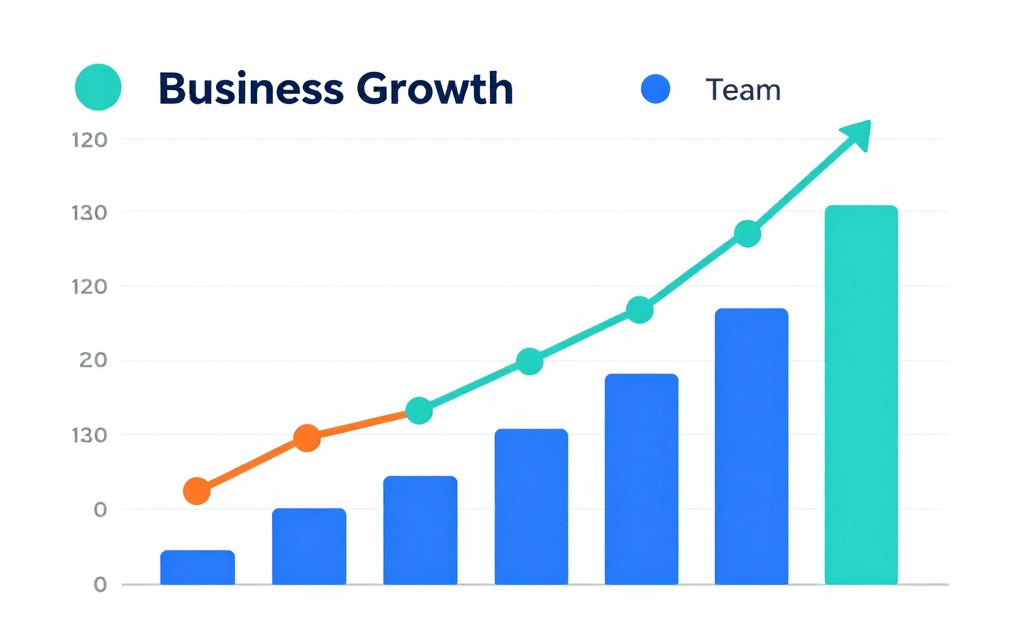
Scaling requires systematic approaches to growth while maintaining quality and culture. Premature scaling causes more startup failures than any other factor. Balance growth ambition with operational capability and market readiness.
Recognizing Signs of Product-Market Fit
Product-market fit manifests through strong organic growth without heavy marketing spend. Customers actively refer others and resist switching to alternatives. Usage metrics show consistent engagement rather than one-time interactions.
Customer feedback becomes increasingly positive with specific praise for value delivered. Support requests decrease as product usability improves through iteration. Net Promoter Score above fifty indicates strong product-market fit.
Sales cycles shorten as the value proposition resonates clearly with prospects. Objections focus on implementation details rather than fundamental value questions. Closing rates improve as messaging aligns with market needs.
Unit economics turn positive with customer lifetime value significantly exceeding acquisition costs. Retention rates stabilize at healthy levels with low churn. These financial indicators confirm sustainable business model.
Building Scalable Systems and Processes
Standard operating procedures document how key activities are performed. Process documentation enables delegation and maintains quality as teams grow. Update procedures regularly based on learnings and improvements.
Automation replaces manual effort for repetitive tasks. Identify bottlenecks and time-consuming activities for automation priority. Balance automation investment against manual workaround costs.
Technology infrastructure must support increased load without performance degradation. Load testing identifies capacity limits before customer experience suffers. Cloud scalability enables rapid capacity expansion when needed.
Customer onboarding automation ensures consistent experience as customer base grows. Self-service resources reduce support burden. Track onboarding metrics to identify improvement opportunities.
Geographic Expansion Strategies
Market selection for expansion considers market size, competition, and regulatory environment. Adjacent markets with similar customer profiles reduce adaptation requirements. Tier-2 cities in India offer growth opportunities with lower competition.
Localization requirements vary by region including language, payment methods, and cultural preferences. Hindi and regional language support expands addressable market significantly. Local payment methods like UPI, wallets, and cash-on-delivery are essential.
Distribution partnerships accelerate geographic expansion without heavy infrastructure investment. Channel partners provide local market knowledge and customer access. Carefully select partners aligned with brand values and quality standards.
International expansion to markets like Southeast Asia or Middle East follows domestic success. Regulatory compliance, payment processing, and logistics complexity increase internationally. Start with markets having cultural or economic similarities to India.
- Content marketing and SEO investment
- Referral program expansion
- Product-led growth enhancements
- Community building initiatives
- Partnership development
- Customer success programs
- Feature expansion for retention
Organic Growth Tactics
- Scaled digital advertising campaigns
- Sales team expansion
- Strategic partnerships investment
- Event sponsorships and presence
- Influencer marketing programs
- Traditional media advertising
- Affiliate marketing networks
Paid Growth Tactics
Managing Rapid Growth Challenges
Hiring pace must match growth without compromising quality. Rushed hiring decisions create long-term culture and performance issues. Maintain hiring standards even under pressure to fill positions quickly.
Customer support scaling prevents service degradation during growth phases. Implement tiered support systems separating simple from complex inquiries. Self-service options and knowledge bases reduce support burden.
Infrastructure capacity planning prevents technical failures during traffic spikes. Monitor system performance continuously and scale proactively. Plan capacity increases before reaching current limits.
Cash flow management becomes critical during rapid growth. Expanding operations consume cash before revenue catches up. Maintain adequate working capital or funding to support growth initiatives.
Building Strategic Partnerships
Technology partnerships enable integration with complementary platforms. API partnerships expand functionality without building everything internally. Strategic integrations can provide distribution channels to partner customer bases.
Distribution partnerships access established customer relationships. Channel partners, resellers, or white-label arrangements accelerate market penetration. Provide adequate training and support for partner success.
Co-marketing partnerships share marketing costs while accessing new audiences. Joint webinars, content, or events benefit both partners. Choose partners with similar target customers but non-competing offerings.
Investment partnerships beyond pure capital can provide strategic value. Corporate venture investors offer market access, technology, or distribution capabilities. Evaluate strategic investors for alignment beyond financial terms.
Common Challenges and Solutions for Indian Startups
Every startup faces obstacles during the journey from idea to sustainable business. Understanding common challenges helps prepare for and navigate them effectively. Many challenges have established solutions from entrepreneurs who came before.

Funding and Cash Flow Challenges
Fundraising takes longer than expected even for promising startups. Begin fundraising efforts six months before capital needs become critical. Maintain relationships with investors even when not actively raising.
Cash flow management requires disciplined expense control and collection practices. Negotiate favorable payment terms with vendors while ensuring timely collections from customers. Cash flow forecasting prevents unexpected shortfalls.
Bootstrap-friendly business models generate revenue early to reduce funding dependence. Service revenue can fund product development. Consulting or implementation services bridge gaps between funding rounds.
Alternative financing through revenue-based financing or venture debt preserves equity. These options suit businesses with recurring revenue but needing working capital. Understand terms carefully as costs can be high.
Talent Acquisition and Retention
Competition for quality talent remains fierce in major startup hubs. Offer equity participation to align incentives with company success. Create compelling mission and culture attractive beyond compensation.
Retention challenges stem from competing opportunities and rapid growth pressures. Regular feedback and career development conversations show investment in team member growth. Address burnout proactively through workload management.
Remote hiring expands talent pools beyond expensive metro areas. Develop strong remote management practices and culture. Regular virtual connection prevents isolation and disengagement.
Building strong employer brand attracts talent organically. Share company story, team culture, and growth opportunities publicly. Current employee advocacy provides authentic recruitment marketing.
Regulatory and Compliance Complexity
Navigating multiple regulatory requirements consumes significant founder time. Engage professional help for complex compliance areas. Prevention costs less than penalties and remediation later.
Regular compliance audits identify issues before they become serious problems. Create compliance calendars tracking all filing and payment deadlines. Automated reminders prevent missed deadlines.
Regulatory changes require ongoing monitoring and adaptation. Subscribe to updates from relevant government departments and industry associations. Participate in industry forums to stay informed of upcoming changes.
Documentation discipline prevents compliance issues during audits or due diligence. Maintain organized records of all transactions, agreements, and compliance filings. Digital organization enables quick retrieval when needed.
Advantages of Starting Now
- Large and growing domestic market
- Supportive government policies and schemes
- Abundant technical talent availability
- Mature investment ecosystem
- Digital infrastructure improvements
- Increasing consumer adoption of technology
Challenges to Prepare For
- Intense competition in popular sectors
- Complex regulatory environment
- Talent retention in competitive market
- Infrastructure gaps in some regions
- Extended sales cycles for enterprise
- Payment collection challenges
Market Competition and Differentiation
Crowded markets make differentiation crucial for visibility. Deep understanding of customer pain points reveals opportunities competitors miss. Focus on underserved segments rather than competing head-on with established players.
Price competition erodes margins and creates unsustainable business models. Compete on value, service, or specialization rather than lowest price. Communicate differentiation clearly in marketing and sales materials.
Brand building requires consistency and patience in noisy markets. Focus on specific niche before expanding broadly. Thought leadership through content establishes expertise and credibility.
Competitive intelligence monitoring reveals threats and opportunities. Track competitor product changes, pricing, and marketing strategies. Learn from their successes and avoid their mistakes.
Customer Acquisition Cost Economics
High customer acquisition costs threaten unit economics in many sectors. Optimize conversion funnels to maximize efficiency of marketing spend. Focus on channels showing best return on investment.
Retention improvement increases lifetime value without acquiring new customers. Reduce churn through proactive customer success efforts. Upselling and cross-selling expand revenue from existing relationships.
Referral programs leverage satisfied customers to acquire new ones affordably. Make referring easy with shareable links and clear incentives. Track referral sources to optimize program effectiveness.
Content marketing provides long-term acquisition channel with improving economics. Initial investment builds assets generating traffic for years. Compound effect makes content marketing more efficient over time.
Future Trends and Opportunities in Indian Startup Ecosystem for 2026
The Indian startup landscape continues evolving with emerging technologies and changing consumer behaviors. Understanding trends helps position startups for future opportunities. Early movers in emerging spaces often achieve significant advantages.

Artificial Intelligence and Machine Learning Applications
AI integration transforms industries from healthcare to agriculture in India. Generative AI applications create new product categories and business models. Startups applying AI to traditional Indian problems find large markets.
Machine learning personalization improves customer experiences across sectors. Recommendation engines, dynamic pricing, and predictive analytics become standard features. Access to AI tools democratizes capabilities previously limited to tech giants.
Natural language processing in Indian languages expands digital inclusion. Voice interfaces serve low-literacy populations effectively. Startups building language technology for regional languages address underserved markets.
Computer vision applications improve efficiency in manufacturing, agriculture, and retail. Quality control, crop monitoring, and automated checkout systems reduce costs. Edge AI deployment brings intelligence to resource-constrained environments.
Sustainable and Green Technology
Climate tech startups address environmental challenges while building profitable businesses. Renewable energy, waste management, and water conservation offer massive opportunities. Government support through dedicated funds accelerates growth in this sector.
Circular economy models reduce waste through recycling, refurbishment, and sharing. Consumer awareness of environmental impact drives demand for sustainable products. Startups building sustainable alternatives to traditional products attract conscious consumers.
Electric vehicle ecosystem expansion creates opportunities beyond vehicle manufacturing. Charging infrastructure, battery technology, and fleet management services all need innovation. Government incentives make this sector particularly attractive.
Carbon footprint measurement and reduction services help businesses meet sustainability goals. Corporate demand for environmental solutions creates B2B opportunities. Compliance requirements drive adoption beyond voluntary initiatives.
Deep Tech and Space Technology
Space technology commercialization opens new frontiers for Indian startups. Satellite data applications, space launch services, and ground station networks attract investment. ISRO’s support through IN-SPACe facilitates private sector participation.
Quantum computing research moves toward practical applications. Early-stage opportunities exist in quantum algorithms, security, and simulation. Long development timelines require patient capital and deep expertise.
Biotechnology innovations address healthcare, agriculture, and environmental challenges. Gene editing, synthetic biology, and personalized medicine create new possibilities. Regulatory frameworks evolve to support responsible innovation.
Advanced materials development improves performance across industries. Nanomaterials, composites, and smart materials enable breakthrough products. Deep technical expertise and R&D investment characterize this sector.
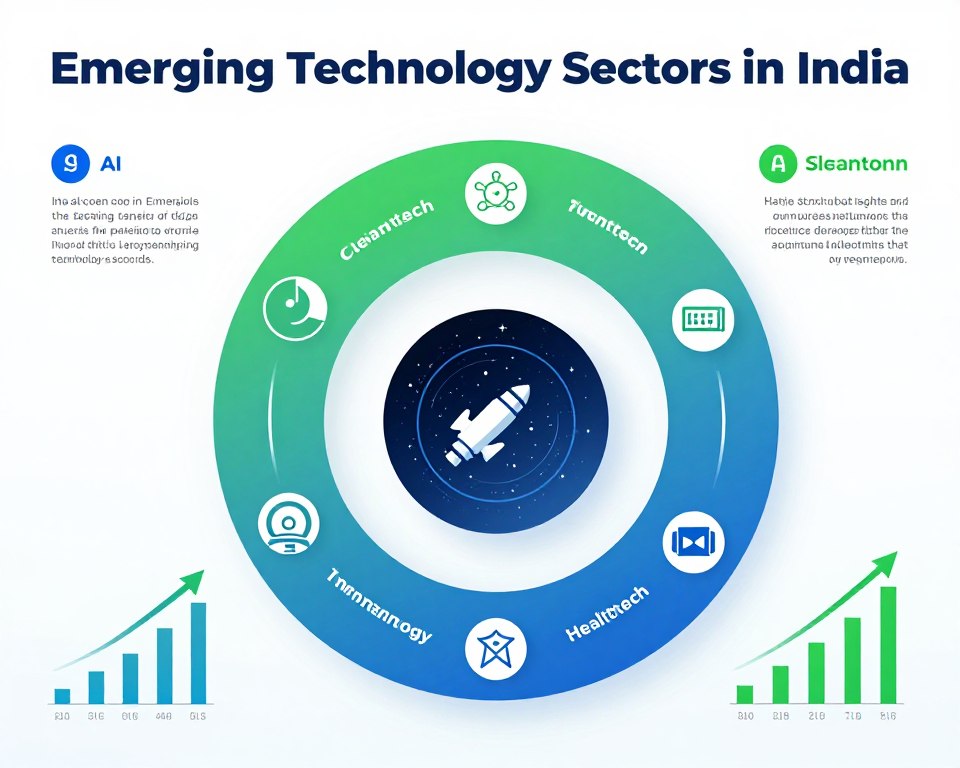
Fintech Evolution and Financial Inclusion
Digital payment infrastructure maturity enables innovation in financial services. UPI success demonstrates India’s leadership in payment technology. Opportunities exist in lending, insurance, wealth management, and specialized financial products.
Embedded finance integration brings financial services into non-financial platforms. E-commerce, healthcare, and education platforms offer relevant financial products contextually. API-based platforms enable rapid deployment of embedded finance.
Cryptocurrency and blockchain applications continue evolving despite regulatory uncertainty. Use cases beyond speculation include supply chain tracking and digital identity. Regulatory clarity will unlock significant innovation in this space.
Financial inclusion for underserved populations drives social impact and business opportunity. Rural credit, microinsurance, and savings products address massive underserved markets. Technology reduces service costs making financial inclusion economically viable.
Healthcare and Wellness Technology
Telemedicine adoption accelerated by pandemic creates permanent market shift. Remote diagnostics, online consultations, and home healthcare services expand access. Integration with traditional healthcare systems improves efficiency.
Health data platforms aggregate information for better diagnosis and treatment. AI-powered diagnosis assistants improve accuracy and accessibility. Privacy concerns require careful compliance with healthcare data regulations.
Mental health awareness drives demand for accessible counseling and therapy services. Digital therapeutics complement traditional treatment approaches. Stigma reduction increases market size for mental wellness products.
Preventive healthcare and wellness programs shift focus from treatment to prevention. Wearables, nutrition tracking, and fitness coaching create engagement opportunities. Corporate wellness programs provide B2B channel for consumer health products.
Education Technology and Skill Development
Personalized learning through adaptive technology improves educational outcomes. AI tutors provide individual attention at scale. Assessment technology identifies knowledge gaps and recommends learning paths.
Skill development for emerging job roles addresses workforce transformation. Upskilling and reskilling programs serve both individuals and corporations. Government initiatives like Skill India create market opportunities.
Vocational training digitization makes practical skills more accessible. AR and VR enable realistic practice environments for trades. Certification and placement services complete the value chain.
Corporate learning and development invest heavily in employee skill building. Leadership development, technical training, and compliance education remain consistent needs. B2B edtech offers more stable revenue than consumer segments.
Taking the First Step Toward Your Startup Dream
Starting a startup in India in 2026 offers unprecedented opportunities and support. The ecosystem has matured with abundant capital, talent, and infrastructure. Government initiatives reduce barriers while providing meaningful benefits to recognized startups.
Success requires more than a good idea. Thorough planning, legal compliance, and strategic execution separate successful startups from failures. Understanding registration processes, tax benefits, and funding options positions entrepreneurs for success from day one.
The journey from idea to sustainable business involves multiple stages. Each phase brings unique challenges and learning opportunities. Building strong foundations in legal structure, team, and product creates resilience for long-term growth.

The Indian market’s size and growth trajectory provide room for many winners. Focus on solving real problems for specific customer segments. Execute consistently while remaining adaptable to market feedback and changing conditions.
Technology democratizes entrepreneurship more than ever before. Cloud platforms, SaaS tools, and digital marketing enable small teams to operate efficiently. Leverage these tools to compete effectively against larger, established players.
Support systems including incubators, accelerators, and mentor networks exist throughout India. Engage with these communities for guidance, connections, and learning. No entrepreneur succeeds alone. The ecosystem’s strength lies in collaboration and knowledge sharing.
Take the first step today. Begin with thorough research and planning. Register your business structure and apply for Startup India recognition. Start small, test assumptions, and iterate based on learning. Every successful startup began exactly where you are now.
Your entrepreneurial journey starts with commitment to solving a meaningful problem. The path forward requires persistence through challenges and celebration of small wins. India’s startup ecosystem stands ready to support those willing to take the leap.
Ready to Launch Your Startup in India?
Get comprehensive support for your entire startup journey. From company registration to funding strategy, compliance management to growth planning, our expert team guides you every step of the way. Free initial consultation to discuss your startup idea and create a customized action plan.