

India stands at the edge of a remarkable transformation. The business landscape is shifting faster than ever before.
By 2030, India will become the world’s third-largest economy. This growth creates unprecedented opportunities for entrepreneurs and businesses.
Technology, demographics, and policy changes are reshaping every industry. Understanding these trends now helps you position yourself for success.
This comprehensive guide explores the most promising business trends in India 2030. You’ll discover emerging sectors, innovative technologies, and practical opportunities.
The time to prepare for tomorrow’s market is today. Let’s explore what the future holds for Indian businesses.
India’s Economic Transformation: The Foundation for Future Business
India’s economy is experiencing unprecedented growth. The country aims to reach a five trillion dollar GDP by 2027.
This economic expansion creates fertile ground for new business ideas. Multiple factors drive this transformation forward.
The digital revolution touches every sector of the economy. Internet penetration reaches deeper into rural areas each year.
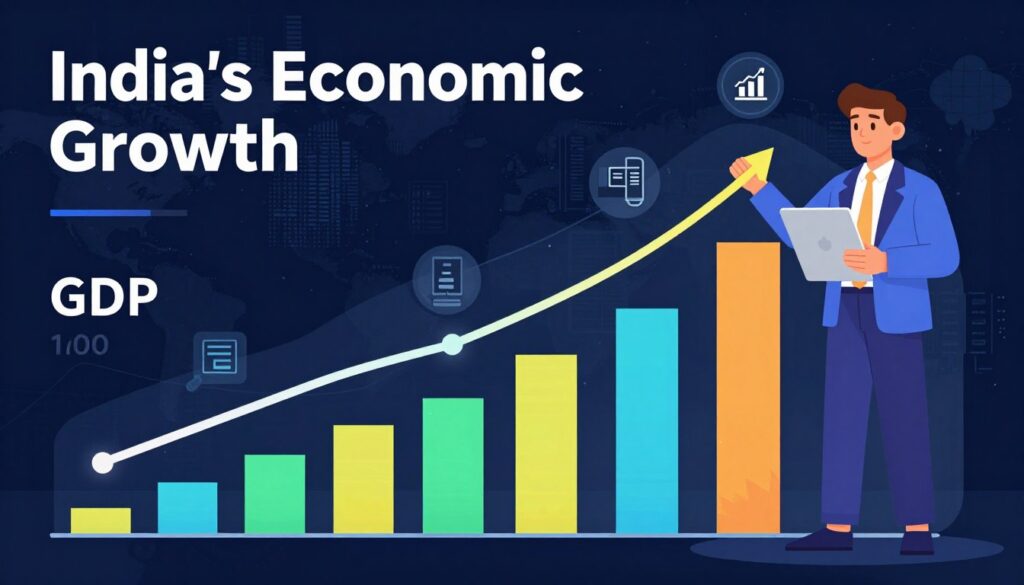
Key Economic Drivers Shaping 2030
Several powerful forces shape India’s business future. These drivers create opportunities across multiple industries.
The demographic dividend gives India a competitive advantage. A young, educated workforce powers innovation and growth.
Government initiatives like Digital India and Make in India accelerate development. These programs support entrepreneurs and attract investment.
Population Advantages
India’s working-age population continues growing through 2030. This demographic advantage fuels consumption and productivity.
- Over 65% population under 35 years old
- Rising middle class with purchasing power
- Growing demand for quality products and services
- Tech-savvy consumer base driving digital adoption
Policy Support
Government policies create favorable conditions for businesses. Regulatory reforms simplify starting and scaling companies.
- Ease of Doing Business improvements
- Production Linked Incentive schemes
- Startup India initiative benefits
- Foreign investment policy liberalization
Infrastructure Development Impact
Infrastructure improvements unlock new market opportunities. Better roads, railways, and airports connect cities and villages.
The government invests heavily in infrastructure projects. This spending creates direct and indirect business opportunities.
Digital infrastructure grows alongside physical infrastructure. Fiber optic networks and 5G technology expand nationwide.
- National Infrastructure Pipeline worth over $1.4 trillion
- Smart cities development in 100 urban centers
- Logistics efficiency improvements reducing business costs
- Last-mile connectivity enabling rural commerce
Technology Trends Reshaping Indian Business by 2030
Technology drives the most significant changes in business. Digital transformation affects every industry and company size.
The internet of things connects devices and systems. This connectivity creates new data sources and business models.

Artificial Intelligence and Machine Learning
AI transforms how businesses operate and compete. Companies use machine learning to improve decision-making and efficiency.
The AI market in India grows rapidly. Businesses adopt AI for customer service, marketing, and operations.
AI creates new business opportunities while disrupting existing ones. Understanding AI applications becomes essential for entrepreneurs.
- Implement AI-powered chatbots for customer support services
- Develop predictive analytics solutions for businesses
- Create personalized recommendation engines for e-commerce
- Offer AI-driven content creation and marketing tools
- Build computer vision applications for quality control
Internet of Things (IoT) Applications
IoT technology connects billions of devices worldwide. These connections generate valuable data and insights for businesses.
Smart homes, cities, and factories rely on IoT sensors. The demand for IoT solutions continues growing strongly.
IoT creates opportunities in manufacturing, healthcare, and agriculture. Entrepreneurs can build products and services around connected devices.
Smart Home Solutions
Connected home devices improve convenience and security.
- Energy management systems
- Security and surveillance products
- Automated appliance control
Industrial IoT
Manufacturing benefits from connected machinery and sensors.
- Predictive maintenance services
- Supply chain optimization
- Quality monitoring systems
Agricultural IoT
Farming becomes more efficient with smart technology.
- Precision farming solutions
- Crop monitoring systems
- Automated irrigation control
Cloud Computing and SaaS Growth
Cloud technology enables businesses to scale efficiently. Companies move operations to cloud platforms for flexibility.
The SaaS model dominates software delivery. Businesses prefer subscription services over traditional software purchases.
Cloud infrastructure costs decrease while capabilities expand. This trend creates opportunities for cloud-based business solutions.
Blockchain and Cryptocurrency
Blockchain technology provides secure, transparent transactions. Applications extend beyond cryptocurrency into various sectors.
Supply chain tracking uses blockchain for authenticity verification. Financial services explore blockchain for faster settlements.
The regulatory environment for crypto evolves gradually. Businesses monitor regulations while exploring blockchain applications.
Need Help Identifying Your 2030 Opportunity?
Get a free 30-minute strategy session with our business experts. We’ll analyze your strengths and match them with emerging trends.
Healthcare and Wellness: High-Growth Business Sectors
Healthcare experiences rapid transformation in India. Rising incomes drive demand for better medical services and products.
The health and wellness market expands significantly by 2030. People prioritize preventive care alongside treatment options.

Telemedicine and Digital Health
Telemedicine brings healthcare to remote areas. Digital platforms connect patients with doctors across distances.
The pandemic accelerated telemedicine adoption dramatically. This trend continues growing as technology improves accessibility.
Digital health records streamline patient care. Healthcare providers use data analytics for better outcomes.
Online Consultation Platforms
Build platforms connecting patients with specialists. Offer convenient appointment scheduling and video consultations.
- Multi-specialty doctor networks
- Prescription management systems
- Health record digitization
- Insurance integration services
Health Monitoring Devices
Wearable technology tracks vital health parameters. Devices monitor chronic conditions and fitness metrics.
- Smart fitness trackers
- Blood sugar monitors
- Heart rate monitoring
- Sleep quality analysis
Mental Health Services
Mental wellness gains recognition and acceptance. Online therapy and counseling services grow rapidly.
- Virtual counseling sessions
- Stress management apps
- Corporate wellness programs
- Support group platforms
Preventive Healthcare and Wellness
Prevention becomes more important than treatment alone. People invest in maintaining good health proactively.
Wellness centers offer holistic health solutions. Yoga, meditation, and nutrition counseling attract customers.
The nutraceuticals market grows as awareness increases. Dietary supplements and functional foods gain popularity.
Home Healthcare Services
Aging populations need care at home. Professional home healthcare services meet this growing demand.
Trained nurses and caregivers provide medical attention at home. This model reduces hospital visits and costs.
Home diagnostic services bring lab tests to customers. Convenience drives adoption of these services rapidly.
Renewable Energy: Powering India’s Sustainable Future
India commits to ambitious renewable energy targets. The country aims for 500 GW renewable capacity by 2030.
Solar and wind energy lead the green revolution. Government incentives support renewable energy businesses.

Solar Energy Opportunities
Solar power costs decrease while efficiency improves. Rooftop solar installations become economically attractive.
Businesses and homes adopt solar solutions rapidly. The market for solar products and services expands continuously.
- Solar panel manufacturing and installation services
- Solar water heater distribution networks
- Off-grid solar solutions for rural areas
- Solar-powered agricultural equipment
- Maintenance and monitoring services
- Solar financing and leasing models
Electric Vehicle Ecosystem
Electric vehicles represent the future of transportation. The EV market in India grows exponentially by 2030.
Charging infrastructure needs massive expansion. Entrepreneurs find opportunities in EV manufacturing and services.
Battery technology improvements drive EV adoption. Support services for electric vehicles create new business models.
EV Manufacturing
Vehicle production includes cars, bikes, and commercial vehicles. Component manufacturing supports the main industry.
Charging Infrastructure
Charging stations need establishment across cities and highways. Fast-charging technology attracts investment interest.
Battery Services
Battery swapping models gain traction for two-wheelers. Recycling and refurbishment businesses emerge importantly.
Fleet Management
Commercial EV fleets require specialized management. Software solutions optimize operations and maintenance schedules.
Energy Storage Solutions
Energy storage technology complements renewable generation. Batteries store excess energy for use during peak demand.
Grid-scale storage systems stabilize power supply. Home battery systems provide backup during outages.
Innovation in storage technology creates investment opportunities. The sector attracts significant capital and talent.
E-commerce and Digital Retail Transformation
Online shopping becomes the preferred method for many Indians. E-commerce penetration increases across all demographics and regions.
Digital payments make online transactions seamless. UPI and digital wallets drive cashless economy growth.

Social Commerce Revolution
Social media platforms integrate shopping features. Influencers and content creators drive product sales directly.
Live commerce gains popularity among Indian shoppers. Real-time product demonstrations increase conversion rates significantly.
Small businesses use social commerce to reach customers. This model requires lower investment than traditional e-commerce.
Quick Commerce and Hyperlocal Delivery
Consumers expect faster delivery times constantly. Quick commerce delivers groceries and essentials within minutes.
Hyperlocal businesses serve neighborhood customers efficiently. Technology connects local stores with nearby buyers.
The logistics industry evolves to support rapid delivery. Last-mile delivery solutions create entrepreneurial opportunities.
- Fashion and apparel
- Electronics and gadgets
- Home and furniture
- Beauty and personal care
- Groceries and daily essentials
- Health and wellness products
High-Growth Categories
- Organic and natural products
- Handicrafts and artisan goods
- Subscription box services
- Refurbished electronics
- Pet supplies and accessories
- Sustainable and eco-friendly items
Emerging Niches
- Online education and courses
- Consultation services
- Digital entertainment content
- Home services booking
- Travel and experiences
- Event management online
Service Categories
D2C Brands Rising
Direct-to-consumer brands bypass traditional retail channels. These companies build relationships directly with customers.
Digital marketing enables D2C brands to scale rapidly. Lower distribution costs improve profit margins substantially.
Niche products find audiences through targeted marketing. D2C model works especially well for innovative products.
Education Technology: Transforming Learning in India
Education technology revolutionizes how people learn skills. Online courses and digital platforms reach millions of students.
The edtech sector attracts massive investment capital. Companies develop solutions for all age groups and subjects.

Online Learning Platforms
Students access quality education regardless of location. Video lessons and interactive content enhance understanding effectively.
Skill-based courses prepare people for employment opportunities. Professional certifications become available online affordably.
Language learning apps help users master new languages. These tools use AI for personalized learning experiences.
Exam Preparation and Tutoring
Competitive exam preparation moves online rapidly. Students prefer flexible online coaching over physical classes.
One-on-one tutoring happens through video conferencing. Personalized attention improves learning outcomes significantly.
Test preparation platforms offer practice questions and analytics. Performance tracking helps students identify weak areas.
- Develop subject-specific learning apps
- Create exam preparation platforms
- Offer specialized skill training courses
- Build teacher-student connection platforms
- Design corporate training solutions
- Launch educational content production
Corporate Training and Upskilling
Companies invest heavily in employee development programs. Online training solutions offer convenient upskilling options.
Micro-credentials and certificates validate new skills. Professionals update their knowledge continuously throughout careers.
The demand for technology skills drives training business. Coding, data science, and digital marketing courses thrive.
Financial Technology: Reimagining Banking and Payments
Fintech disrupts traditional banking and financial services. Digital solutions make financial services more accessible widely.
Mobile banking reaches previously unbanked populations. Financial inclusion becomes reality through technology innovations.

Digital Lending Platforms
Online lending simplifies borrowing for individuals and businesses. Quick approvals and minimal paperwork attract borrowers.
Alternative credit scoring uses non-traditional data sources. This approach helps people without formal credit history.
Peer-to-peer lending connects borrowers with individual lenders. These platforms offer competitive interest rates efficiently.
Investment and Wealth Management
Robo-advisors democratize investment advice and management. Algorithm-driven platforms offer low-cost portfolio management.
Micro-investment apps allow people to start small. Fractional investing makes expensive assets accessible to everyone.
Digital gold and cryptocurrency platforms attract young investors. These alternative assets diversify investment portfolios effectively.
Fintech Advantages
- Lower operational costs than traditional banks
- Faster service delivery and approvals
- Better customer experience through technology
- Data-driven personalization capabilities
- Wider reach including rural areas
- Innovation-friendly business model
Challenges to Address
- Regulatory compliance complexities
- Cybersecurity and fraud risks
- Customer trust building requirements
- Technology infrastructure investments
- Competition from established banks
- Data privacy concerns
Insurance Technology
Insurtech startups simplify insurance purchasing and claims. Digital platforms compare policies and prices easily.
Micro-insurance products serve lower-income segments. Affordable premiums make insurance accessible to more people.
Claims processing becomes faster through automation. AI and data analytics reduce fraud and improve efficiency.
Agriculture Technology and Food Processing
Agriculture remains vital to India’s economy. Technology transforms farming into a modern efficient industry.
Agritech solutions increase crop yields and farmer incomes. Precision farming uses data for better decision-making.

Precision Agriculture Solutions
Sensors and drones monitor crop health accurately. Data-driven insights help farmers optimize resource usage.
Weather forecasting tools help plan farming activities. Predictive analytics reduce risks from climate uncertainties.
Soil testing services recommend appropriate fertilizers. This precision reduces costs and environmental impact.
Farm-to-Consumer Platforms
Direct marketing platforms connect farmers with consumers. This model eliminates middlemen and increases farmer profits.
Online marketplaces for agricultural produce grow rapidly. Transparent pricing benefits both farmers and buyers.
Organic farming gains consumer attention and premium pricing. Certification and distribution support organic farmers effectively.
Food Processing and Value Addition
Processing extends shelf life and adds value. Cold chain infrastructure improvements reduce food wastage.
Regional foods reach national markets through processing. Packaged traditional foods attract urban consumers widely.
Export opportunities grow for processed food products. Quality standards and certifications open international markets.
- Ready-to-eat meal production and distribution
- Organic food processing facilities
- Cold storage and logistics services
- Fruit and vegetable processing units
- Dairy product manufacturing
- Millet-based food products
Smart Manufacturing and Industry 4.0
Manufacturing undergoes digital transformation rapidly. Smart factories use automation and connectivity extensively.
The Make in India initiative encourages domestic manufacturing. Government policies support manufacturing sector growth significantly.
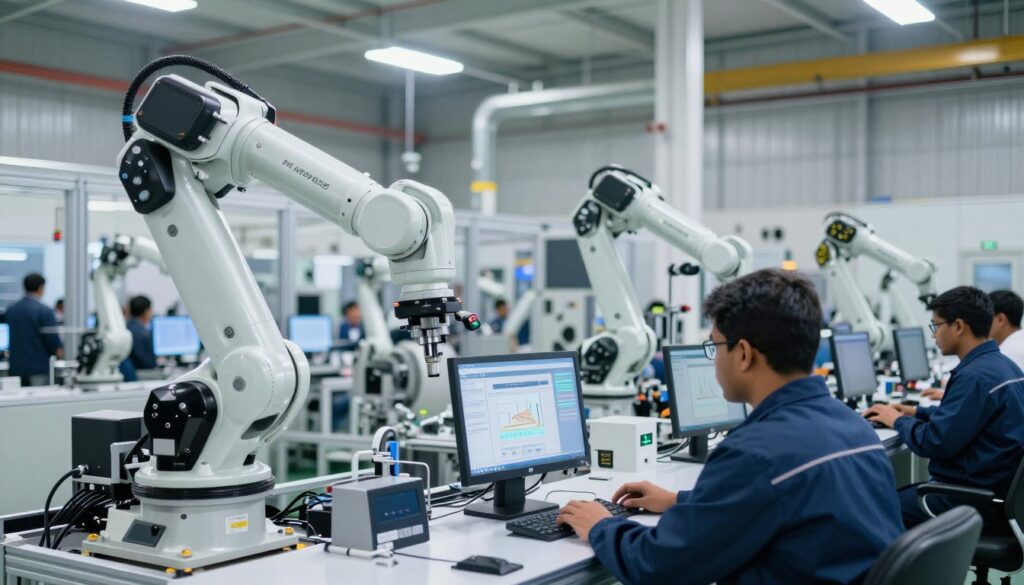
Automation and Robotics
Robots handle repetitive manufacturing tasks efficiently. Automation improves quality while reducing production costs.
Collaborative robots work alongside human workers safely. These systems increase productivity without replacing jobs.
The demand for robotics expertise grows consistently. Engineering talent finds opportunities in automation development.
3D Printing and Additive Manufacturing
Three-dimensional printing revolutionizes product development cycles. Rapid prototyping accelerates innovation across industries.
Custom manufacturing becomes economically viable through printing. Small production runs no longer require huge investments.
Medical devices and aerospace components use 3D printing. The technology enables complex designs impossible with traditional methods.
Production Services
- Custom product manufacturing
- Rapid prototyping services
- Spare parts production
- Architectural models
Material Innovation
- Specialized printing materials
- Sustainable filaments
- Industrial-grade composites
- Medical-safe materials
Design Services
- CAD modeling for printing
- Product design consulting
- Engineering optimization
- Reverse engineering
Supply Chain Optimization
Technology makes supply chains more transparent and efficient. Real-time tracking reduces delays and improves planning.
Blockchain technology enhances supply chain trust. Stakeholders verify product authenticity and origin easily.
Predictive analytics optimize inventory management effectively. Companies reduce waste while maintaining adequate stocks.
Real Estate Technology and Smart Infrastructure
Real estate embraces technology for better customer experiences. PropTech startups change how people buy and rent property.
Smart buildings integrate technology for efficiency. Automated systems manage energy, security, and comfort.

Property Technology Platforms
Online platforms simplify property search and transactions. Virtual tours reduce the need for physical visits.
Digital documentation speeds up registration processes. Blockchain may revolutionize property record keeping eventually.
Co-working and co-living spaces use technology extensively. Flexible spaces meet changing lifestyle and work patterns.
Smart City Development
Government invests in smart city infrastructure projects. These initiatives create numerous business opportunities consistently.
Integrated city management systems improve urban living. Traffic management and waste systems become more efficient.
Citizen services move online for convenience. Digital governance reduces corruption and improves service delivery.
Affordable Housing Solutions
Demand for affordable housing remains strong nationwide. Innovative construction methods reduce building costs significantly.
Modular construction speeds up project completion timelines. Prefabricated components improve quality and reduce waste.
Green building technologies make homes more sustainable. Energy-efficient designs lower long-term operational costs.
Digital Content and Entertainment Industry Growth
Content consumption shifts to digital platforms rapidly. Streaming services compete for audience attention intensively.
Regional language content gains prominence and investment. Local stories resonate strongly with diverse audiences.

Content Creation Opportunities
Creators build audiences and monetize content effectively. Multiple platforms offer revenue sharing with creators.
Video content dominates social media consumption patterns. Short-form videos particularly attract younger audiences.
Podcasts grow as audio content consumption increases. Niche topics find dedicated listener communities easily.
- YouTube channel creation in specialized niches
- Podcast production and hosting services
- Social media content management agencies
- Influencer marketing platforms and services
- Video production and editing services
- Content writing and copywriting businesses
- Animation and graphics design studios
Gaming and Esports
The gaming industry grows exponentially in India. Mobile gaming reaches hundreds of millions of players.
Esports tournaments attract sponsorships and viewership. Professional gaming becomes a viable career option.
Game development studios create titles for global markets. Indian developers gain recognition for quality work.
OTT Platforms and Streaming
Over-the-top platforms change entertainment consumption habits. Personalized recommendations keep viewers engaged longer.
Original content production increases across platforms. Regional content receives significant investment and attention.
Subscription and advertising models generate revenue streams. The market accommodates multiple successful players concurrently.
Ready to Launch Your Future Business?
Our experts help entrepreneurs identify the right opportunities and create actionable business plans. Get personalized guidance based on your skills, interests, and available capital.
Additional Emerging Business Sectors for 2030
Beyond major trends, several niche sectors offer opportunities. These areas show strong growth potential by 2030.
Cybersecurity Services
Digital transformation increases cybersecurity needs dramatically. Businesses require protection against evolving threats constantly.
Data breaches cost companies reputation and money. Preventive security services find ready customers across industries.
Compliance requirements drive demand for security solutions. Government regulations mandate data protection standards increasingly.
Elder Care Services
India’s aging population needs specialized care services. Professional elder care businesses meet this growing need.
Healthcare at home serves senior citizens conveniently. Assisted living facilities offer comfortable accommodation options.
Technology enables remote monitoring of elderly individuals. Family members stay connected with aging parents easily.
Water Management Solutions
Water scarcity affects many regions across India. Efficient water management becomes critical for sustainability.
Water purification technologies serve residential and commercial needs. Wastewater treatment and recycling gain importance steadily.
Smart water distribution systems reduce wastage significantly. IoT sensors detect leaks and optimize water usage.
Waste Management
Waste processing and recycling businesses address environmental concerns effectively.
- Plastic recycling facilities
- E-waste management services
- Organic waste composting
- Waste-to-energy projects
Space Technology
Private space companies emerge as regulations open opportunities.
- Satellite services and data
- Launch vehicle development
- Ground station operations
- Space-tech applications
Biotechnology
Biotech innovations solve problems in healthcare and agriculture.
- Gene therapy research
- Biopharmaceutical production
- Agricultural biotechnology
- Industrial enzymes
Pet Care Industry
Pet ownership rises as disposable incomes increase among urban families.
- Pet food and nutrition
- Veterinary services
- Pet grooming salons
- Pet accessories retail
How to Choose the Right Business Opportunity
Selecting the right business idea requires careful evaluation. Multiple factors influence success beyond market trends.

Self-Assessment Framework
Understanding your strengths guides opportunity selection. Passion alone doesn’t guarantee business success.
Evaluate your skills, experience, and interests honestly. Match these personal attributes with market opportunities.
Consider your risk tolerance and financial capacity. Different businesses require varying investment and time commitment.
| Evaluation Factor | Questions to Ask | Why It Matters |
| Skills Match | Do I have relevant expertise or can I acquire it quickly? | Reduces learning curve and initial mistakes |
| Market Timing | Is the market ready or do I need to educate customers? | Affects time to profitability significantly |
| Capital Requirements | Can I bootstrap or do I need external funding? | Determines control and growth pace |
| Competition Level | How crowded is this space and can I differentiate? | Impacts customer acquisition costs |
| Scalability Potential | Can this business grow beyond local operations? | Affects long-term value creation |
| Regulatory Environment | What licenses and compliances are required? | Determines setup complexity and timeline |
Market Research Essentials
Research validates business assumptions before significant investment. Understanding customers prevents costly mistakes early.
Talk to potential customers about their needs directly. Surveys and interviews reveal genuine pain points accurately.
Analyze competitors to identify gaps and opportunities. Learn from others’ successes and failures wisely.
Starting Small and Testing
Launch minimum viable products to test market response. Early feedback guides product development effectively.
Start locally before expanding to wider markets. Regional success builds confidence for larger operations.
Iterate based on customer feedback continuously. Flexibility helps adapt to market realities quickly.
- Identify three potential business ideas from trends discussed
- Research each opportunity thoroughly for three months
- Talk to at least twenty potential customers per idea
- Create financial projections for your top choice
- Start with a pilot project or minimum viable product
- Measure results and gather feedback systematically
- Scale successful initiatives while cutting unsuccessful ones
Challenges and Risk Mitigation Strategies
Every business opportunity comes with inherent challenges. Anticipating problems helps prepare effective solutions.
Common Obstacles for New Businesses
Funding remains a primary challenge for entrepreneurs. Banks hesitate to lend to unproven businesses.
Finding the right team members takes time. Skilled talent often prefers established companies initially.
Regulatory compliance can overwhelm first-time founders. Navigating bureaucracy requires patience and persistence.
Key Insight: Most business failures result from poor planning rather than bad ideas. Thorough preparation and realistic expectations significantly improve success odds.
Risk Management Approach
Diversification reduces dependence on single revenue sources. Multiple income streams provide stability during downturns.
Insurance protects against unexpected losses and liabilities. Adequate coverage provides peace of mind affordably.
Building cash reserves helps weather difficult periods. Financial cushions allow strategic decisions without desperation.
Expert Recommendation: Maintain at least six months of operating expenses as reserve capital. This buffer helps navigate unexpected challenges without compromising the business.
Adapting to Regulatory Changes
Government policies evolve as markets develop rapidly. Stay informed about regulatory developments proactively.
Join industry associations for updates and advocacy. Collective voices influence policy-making more effectively.
Consult legal and financial experts regularly. Professional advice prevents costly compliance mistakes.
Funding Options and Government Support
Multiple funding sources exist for Indian entrepreneurs. Understanding options helps choose appropriate financing strategies.

Bootstrapping and Self-Funding
Self-funding maintains complete control over business decisions. Personal savings and revenue reinvestment fuel growth.
This approach suits businesses with low initial capital needs. Service businesses often bootstrap successfully initially.
Profitability comes faster without debt service obligations. However, growth may be slower than funded competitors.
Angel Investors and Venture Capital
Angel investors provide early-stage capital and mentorship. They take equity stakes in promising startups.
Venture capital firms fund high-growth potential businesses. These investments come with expectations of rapid scaling.
Networking and pitch quality determine funding success. Strong business fundamentals attract investor interest consistently.
Government Schemes and Incentives
Startup India provides recognition and various benefits. Tax exemptions and simplified compliance help new businesses.
MUDRA loans offer collateral-free financing to micro enterprises. These schemes support small business development nationwide.
State governments run industry-specific incentive programs. Research regional schemes relevant to your business sector.
- Personal savings and family support
- Angel investor networks
- Startup incubators and accelerators
- Government startup schemes
- Crowdfunding platforms
Early Stage Funding
- Venture capital investment
- Private equity funding
- Bank loans and credit lines
- Strategic partnerships
- Revenue-based financing
Growth Stage Funding
- Invoice financing options
- Asset-based lending
- Peer-to-peer lending
- Trade credit from suppliers
- Contest prizes and grants
Alternative Funding
Critical Success Factors for 2030 Businesses
Certain factors consistently separate successful businesses from failures. Focus on these elements improves your chances significantly.
Customer-Centric Approach
Understanding customer needs drives product development effectively. Regular feedback loops keep offerings relevant always.
Excellent customer service builds loyalty and referrals. Happy customers become brand advocates organically.
Personalization improves customer satisfaction and retention rates. Technology enables customization at scale affordably.
Technology Adoption
Embracing technology provides competitive advantages consistently. Digital tools improve efficiency across all business functions.
Data analytics informs better business decisions daily. Understanding metrics helps optimize operations continuously.
Automation frees time for strategic activities. Routine tasks handled by systems improve productivity significantly.
Continuous Learning Culture
Markets evolve rapidly requiring constant adaptation. Learning organizations stay ahead of industry changes.
Invest in employee development and training regularly. Skilled teams deliver superior results consistently.
Stay updated on industry trends and innovations. Attend conferences and network with peers actively.
Building Strategic Partnerships
Collaborations accelerate growth and reduce resource requirements. Partners provide access to new markets and capabilities.
Choose partners with complementary strengths carefully. Shared values ensure smooth working relationships long-term.
Formal agreements protect interests and clarify expectations. Clear communication prevents misunderstandings and conflicts.
Frequently Asked Questions About Future Business Trends India 2030
What business ideas will be most profitable in India by 2030?
Technology-driven businesses show the highest profit potential by 2030. Healthcare, renewable energy, edtech, and fintech sectors lead growth projections.
Services leveraging AI, IoT, and data analytics create significant value. E-commerce and digital content businesses also demonstrate strong profitability trends.
However, profitability depends on execution quality and market timing. Even traditional businesses adopting technology can achieve excellent margins.
How much capital do I need to start a future-focused business?
Capital requirements vary dramatically by business type and model. Service-based businesses often start with minimal investment under one lakh rupees.
Technology startups may need three to ten lakhs for development and marketing. Manufacturing requires significantly higher capital ranging from ten lakhs upward.
Many successful businesses began with bootstrapping and grew organically. Focus on solving real problems rather than raising maximum capital initially.
Which skills are most valuable for entrepreneurs in 2030?
Digital literacy becomes essential across all business sectors. Understanding data analytics helps make informed decisions consistently.
Marketing skills, especially digital marketing, drive customer acquisition effectively. Financial management and basic accounting remain critically important always.
Soft skills like communication, leadership, and adaptability matter greatly. Technology skills can be learned or hired, but entrepreneurial mindset determines success.
Are traditional businesses still viable or should I focus only on technology?
Traditional businesses remain viable when modernized with technology integration. Food services, retail, and construction continue thriving with digital enhancement.
The key lies in adopting technology to improve efficiency and customer experience. Online presence and digital payments become minimum requirements everywhere.
Many opportunities exist in bridging traditional sectors with modern technology. Don’t abandon established industries; instead, innovate within them strategically.
How can I identify which trend suits my situation best?
Start by assessing your skills, interests, and available resources honestly. Match your strengths with market opportunities rather than chasing trends blindly.
Research each potential opportunity thoroughly through customer interviews and competitor analysis. Test ideas on a small scale before committing significant resources.
Consider your risk tolerance and time horizon for returns. Some opportunities offer quick returns while others require patient capital investment.
What role will government policies play in business trends?
Government policies significantly influence business opportunities through regulations and incentives. Initiatives like Digital India and Production Linked Incentives shape sector growth.
Policy support for manufacturing, technology, and renewable energy creates favorable environments. Tax benefits and subsidies make certain businesses more attractive financially.
Stay informed about policy changes affecting your industry sector. Government support can accelerate growth but shouldn’t be the only business foundation.
How important is sustainability for future businesses in India?
Sustainability becomes increasingly important for business success and consumer preference. Younger customers actively seek environmentally responsible companies.
Green businesses access additional funding sources and government incentives. Sustainable practices also reduce long-term operational costs significantly.
Companies ignoring environmental concerns face reputation risks and regulatory challenges. Building sustainability into business models from the start provides competitive advantages.
Preparing for India’s Business Future: Final Thoughts
India’s business landscape transforms dramatically by 2030. The opportunities outlined represent pathways to entrepreneurial success.
Technology, demographics, and policy create unprecedented possibilities. However, success requires more than identifying trends.
Execution quality separates successful businesses from failed attempts. Understanding customers and solving real problems remain fundamental principles.
Start preparing today for tomorrow’s opportunities. Research thoroughly, test carefully, and scale strategically.
The future belongs to those who act decisively now. Your business journey toward 2030 begins with the first step today.
India’s growth story continues unfolding with immense potential. Position yourself to participate in this exciting transformation.

Start Your 2030 Business Journey Today
Join thousands of entrepreneurs preparing for India’s business future. Get exclusive resources, expert guidance, and community support.
Get weekly insights, downloadable templates, and personalized guidance. No credit card required.