
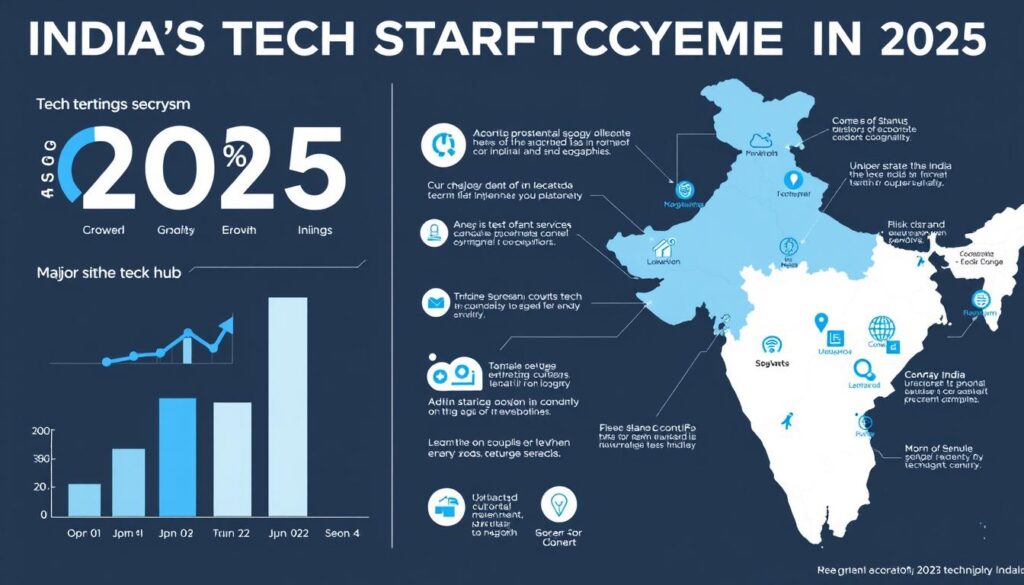
India’s tech ecosystem is experiencing unprecedented growth, with artificial intelligence at the forefront of innovation. By 2025, India is projected to contribute over $500 billion to the global AI economy, creating a golden opportunity for tech entrepreneurs. The convergence of government initiatives, abundant talent, and increasing investor interest has transformed India into a fertile ground for tech startups.
Whether you’re a seasoned developer with a groundbreaking AI solution or an entrepreneur recognizing the potential of technology to solve Indian market challenges, this comprehensive guide will walk you through the essential steps to launch your tech/AI startup in India in 2025.
The Tech/AI Startup Landscape in India in 2025
The Indian startup ecosystem is experiencing a remarkable transformation. With over 100,000 registered startups and counting, India has cemented its position as the world’s third-largest startup hub. The AI sector specifically is projected to grow at a CAGR of 36.6% between 2024 and 2030.
Several factors make 2025 an ideal year to launch your tech venture in India:
- Implementation of India’s first comprehensive AI regulatory framework
- Maturation of government initiatives like Digital India and Startup India
- Increased domestic adoption of AI solutions across healthcare, agriculture, and financial services
- Growing pool of AI-specialized talent from premier technical institutions
- Rising venture capital interest in deep-tech startups with India-focused solutions
The most promising sectors for tech/AI startups in 2025 include healthcare diagnostics, agricultural optimization, financial inclusion technologies, educational tools, and sustainable energy solutions.
Step 1: Validate Your Tech/AI Startup Idea

Before diving into development, validating your tech startup idea is crucial. This process helps you confirm market demand and refine your concept.
Market Research and Problem Identification
Start by identifying a specific problem that your AI solution can address. The most successful tech startups solve real pain points rather than creating solutions looking for problems.
Primary Research Methods
- Conduct interviews with potential users
- Create surveys to gather quantitative data
- Organize focus groups for in-depth feedback
- Test early prototypes with target users
Secondary Research Sources
- Industry reports from NASSCOM and McKinsey
- Government data from Digital India initiatives
- Academic research on emerging technologies
- Competitor analysis and market trends
Competitive Analysis
Analyze existing solutions in your target market. Identify gaps that your AI technology can fill or improvements you can make to current offerings.
| Analysis Component | Questions to Answer | Tools/Resources |
| Market Size | What is the total addressable market for your solution in India? | Statista, IBEF reports, NASSCOM insights |
| Competitor Mapping | Who are the direct and indirect competitors? | Crunchbase, Tracxn, YourStory |
| Differentiation | How is your AI solution unique? | Feature comparison matrices, SWOT analysis |
| Regulatory Landscape | What regulations will affect your AI solution? | MeitY guidelines, Data Protection Act |
Minimum Viable Product (MVP) Planning
Define the core features of your MVP that will solve the identified problem with minimal development resources. Focus on creating a solution that delivers value quickly and allows for iterative improvement based on user feedback.
Need help validating your tech startup idea?
Get our free AI Startup Validation Framework to systematically test your concept and identify potential market opportunities.
Step 2: Develop a Viable Business Model
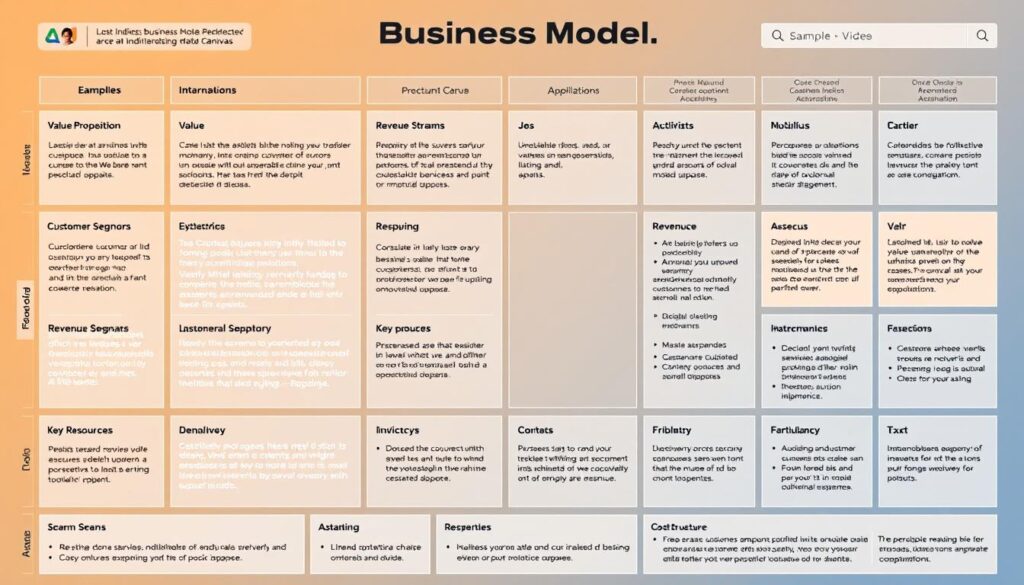
A solid business model is the foundation of your tech startup’s success. In 2025, AI startups in India are adopting innovative monetization strategies beyond traditional SaaS models.
Popular Revenue Models for AI Startups in 2025
Subscription-Based Services
Offer tiered subscription plans with different feature sets and usage limits. This model provides predictable recurring revenue and scales well with customer growth.
Example: CropIn offers subscription tiers for its AI-powered agricultural analytics platform.
AI as a Service (AIaaS)
Provide specialized AI capabilities through APIs or cloud services with usage-based pricing. This model lowers the barrier to entry for customers.
Example: Niramai offers its thermal analytics technology as a service to healthcare providers.
Outcome-Based Pricing
Charge based on the value delivered or outcomes achieved. This aligns your incentives with customer success and can command premium pricing.
Example: Locus charges logistics companies based on cost savings achieved through route optimization.
Creating Your Business Model Canvas
Use the Business Model Canvas framework to map out all aspects of your business strategy:
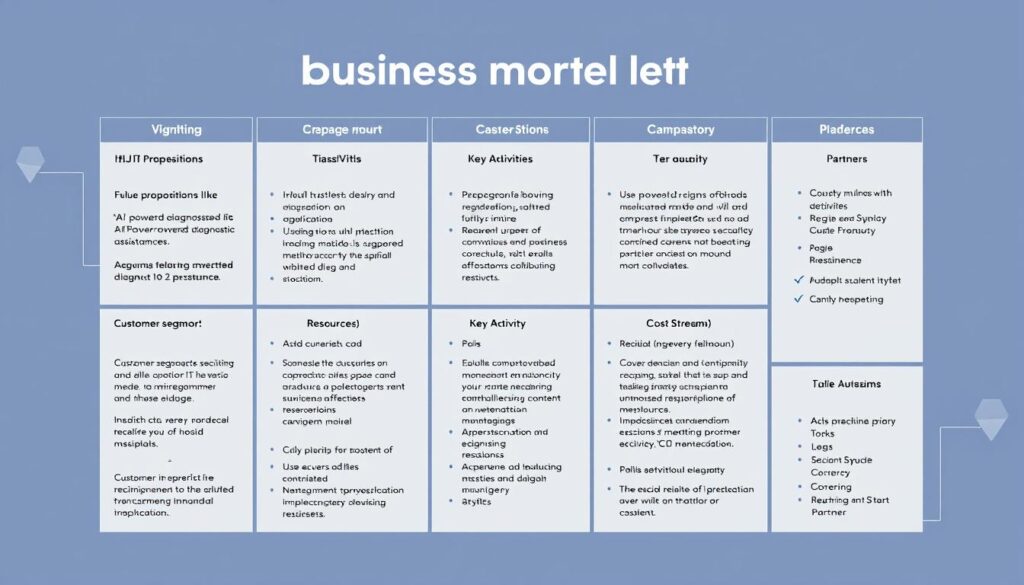
When developing your business model, consider India-specific factors like:
- Price sensitivity across different market segments
- Infrastructure limitations in certain regions
- Partnerships with established players for distribution
- Regulatory compliance costs specific to AI applications
- Data localization requirements under the Digital Personal Data Protection Act
Step 3: Legal Registration and Compliance for Your AI Startup
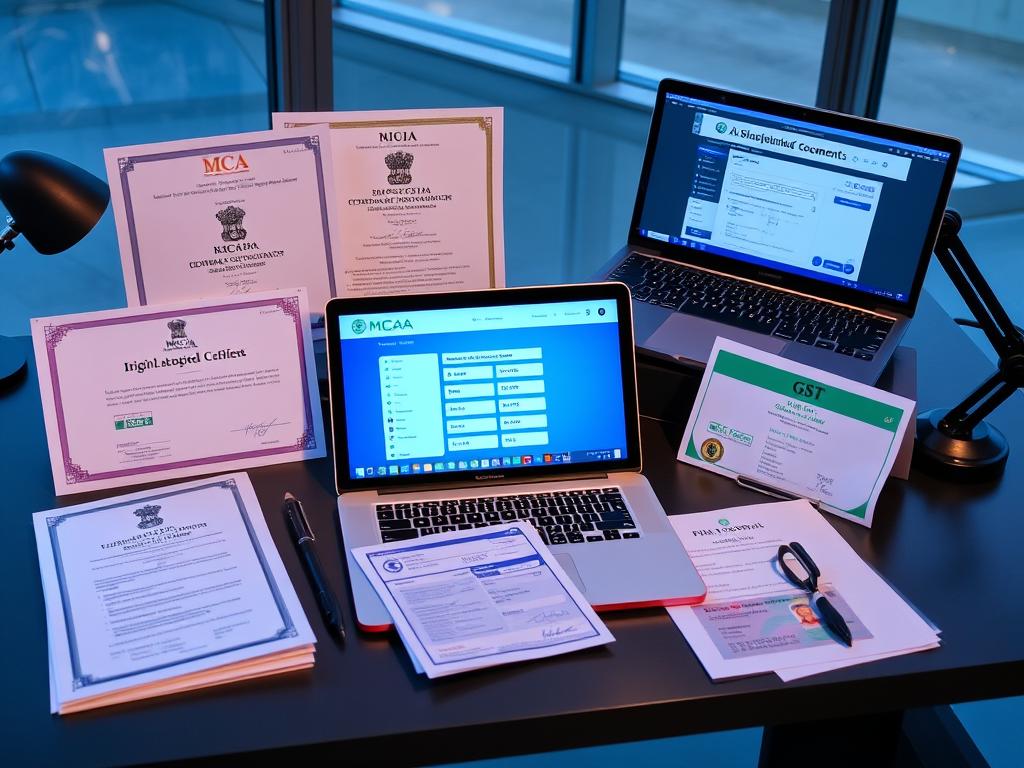
Establishing the right legal structure is crucial for your tech startup’s growth and funding prospects. In 2025, India’s regulatory framework for AI businesses includes additional compliance requirements related to data usage and algorithmic transparency.
Choosing the Right Legal Structure
| Legal Structure | Best For | Advantages | Limitations |
| Private Limited Company | Startups seeking investment, scalable tech ventures | Limited liability, easier to raise funding, professional image | Higher compliance requirements, more expensive to set up |
| Limited Liability Partnership (LLP) | Service-based AI consultancies, smaller teams | Limited liability, lower compliance burden, tax flexibility | Less attractive to VCs, harder to issue equity |
| One Person Company (OPC) | Solo tech entrepreneurs, bootstrapped ventures | Limited liability with single founder, simpler compliance | Growth limitations, restrictions on raising capital |
Recommendation for AI/Tech Startups: Most tech startups with growth and funding ambitions should opt for a Private Limited Company structure, as it provides the necessary flexibility for equity distribution and is preferred by investors.
Registration Process for Tech Startups in 2025
- Obtain Digital Signature Certificates (DSCs) for all directors
- Apply for Director Identification Numbers (DINs)
- Reserve your company name through the SPICe+ form on the MCA portal
- Prepare and file incorporation documents (MOA and AOA)
- Complete incorporation through the SPICe+ form
- Obtain PAN and TAN for your company
- Register for GST (mandatory for interstate services or turnover above ₹20 lakhs)
- Open a business bank account
- Register with Startup India for additional benefits
AI-Specific Compliance Requirements in 2025
Tech startups working with AI in India must comply with several additional regulations:
- Digital Personal Data Protection Act compliance for handling user data
- Algorithm transparency requirements for AI systems in regulated sectors
- Mandatory risk assessments for high-risk AI applications
- Compliance with sector-specific AI guidelines (healthcare, finance, etc.)
- Data localization requirements for certain types of data
Ready to register your AI startup?
Get expert assistance with company registration, compliance, and AI-specific regulations. Complete your registration in just 7-10 business days.
Step 4: Protect Your Intellectual Property
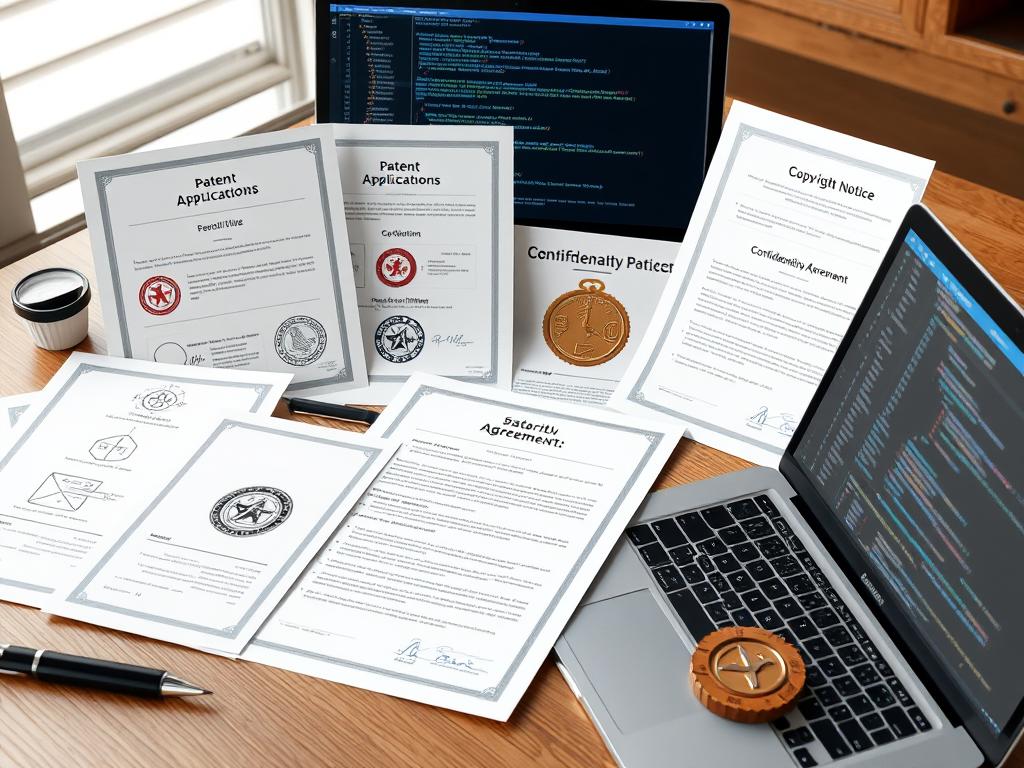
For tech startups, especially those working with AI, intellectual property (IP) protection is critical. Your algorithms, datasets, and technological innovations are your core assets.
Types of IP Protection for Tech Startups
Patents
Protect novel technical inventions and processes. In 2025, India’s patent office has special provisions for AI-related innovations with expedited processing.
What to patent: Novel algorithms, unique technical processes, hardware innovations
Trademarks
Protect your brand identity, including name, logo, and slogans. Essential for building brand recognition in the competitive tech landscape.
What to trademark: Company name, product names, logos, distinctive slogans
Copyrights
Protect original creative works, including software code, content, and visual elements. Automatic upon creation but registration provides additional legal benefits.
What to copyright: Source code, user interfaces, content, documentation
IP Strategy for AI Startups in India
Develop a comprehensive IP strategy that includes:
- Conducting IP audits to identify protectable assets
- Implementing proper documentation practices for innovation
- Using strong confidentiality agreements with employees and partners
- Considering open-source strategies where appropriate
- Budgeting for IP protection as part of your business plan
“In the AI space, your intellectual property is often your most valuable asset. We prioritized patent protection for our core algorithms early on, which later became crucial during our funding rounds.”
Step 5: Build Your Tech Startup Team

Your team is the foundation of your startup’s success. In 2025, building a tech team in India requires navigating a competitive talent market while leveraging the country’s deep technical expertise.
Essential Roles for an AI Startup
| Role | Responsibilities | Skills to Look For | Hiring Challenges in 2025 |
| Technical Co-founder/CTO | Technical vision, architecture decisions, team leadership | Strong AI/ML background, system design experience, leadership abilities | High demand for experienced AI leaders, competitive compensation packages |
| AI/ML Engineers | Algorithm development, model training, technical implementation | Expertise in relevant AI frameworks, mathematics background, problem-solving skills | Shortage of specialized talent in emerging AI fields like generative AI |
| Data Scientists | Data analysis, feature engineering, model evaluation | Statistical knowledge, programming skills, domain expertise | Finding specialists with both technical skills and industry knowledge |
| Product Manager | Product roadmap, feature prioritization, user experience | Technical background, user empathy, strategic thinking | Limited talent with both AI knowledge and product experience |
| Business Development | Customer acquisition, partnerships, market expansion | Industry connections, sales experience, technical understanding | Finding professionals who can effectively communicate complex AI value propositions |
Talent Acquisition Strategies for 2025
Consider these approaches to build your team in India’s competitive tech landscape:
Traditional Hiring
- Leverage AI-specialized recruitment platforms
- Build relationships with technical institutes like IITs and IIITs
- Offer competitive equity packages to attract top talent
- Create an appealing company culture and mission
Alternative Approaches
- Consider acqui-hiring smaller AI teams
- Explore remote talent from emerging tech hubs
- Partner with AI research labs for specialized expertise
- Utilize AI development agencies for specific projects
Building a Strong Company Culture
Culture is particularly important for tech startups. Create an environment that:
- Encourages innovation and experimentation
- Provides continuous learning opportunities
- Balances technical excellence with business impact
- Promotes diversity and inclusion
- Offers flexibility while maintaining accountability
Step 6: Develop Your Minimum Viable Product (MVP)

Building your MVP is a critical step that allows you to test your concept with minimal resources. For AI startups, this process requires balancing technical sophistication with practical implementation.
MVP Development Approach for AI Startups
- Define core functionality – Identify the essential features that demonstrate your AI’s value proposition
- Create a development roadmap – Break down the project into manageable sprints
- Build a data strategy – Determine how you’ll acquire, process, and manage training data
- Develop and test iteratively – Use agile methodologies to build, test, and refine
- Implement feedback loops – Establish mechanisms to gather and incorporate user feedback
Technical Stack Considerations for 2025
Choose technologies that balance innovation with stability and scalability:
| Component | Popular Options in 2025 | Selection Criteria |
| AI/ML Frameworks | TensorFlow 3.0, PyTorch 2.x, JAX, Hugging Face Transformers | Model complexity, team expertise, deployment requirements |
| Backend Development | FastAPI, Django, Node.js, Go | Scalability needs, real-time requirements, team familiarity |
| Frontend Development | React, Vue.js, Next.js, Flutter for cross-platform | User experience requirements, platform targets, development speed |
| Database | MongoDB, PostgreSQL, Redis, vector databases for AI | Data structure, query patterns, scaling requirements |
| Cloud Infrastructure | AWS, Azure, Google Cloud, Indian providers like Airtel Cloud | Cost, compliance requirements, AI-specific services |
Balancing Technical Debt and Speed
Development Priorities
- Focus on core AI functionality that delivers unique value
- Implement proper data pipelines and validation early
- Establish basic monitoring and observability
- Create simple but effective user interfaces
- Build with scalability in mind but don’t over-engineer
Common Pitfalls to Avoid
- Perfectionism that delays market testing
- Neglecting data quality and governance
- Underestimating infrastructure requirements for AI workloads
- Building features without clear user needs
- Ignoring security and privacy considerations
Need technical expertise for your AI startup?
Connect with our network of experienced AI developers and technical architects who specialize in building MVPs for tech startups in India.
Step 7: Secure Funding for Your Tech Startup

Funding is often essential for tech startups, especially those developing AI solutions that require significant resources for development and scaling. In 2025, India’s funding landscape offers diverse options for tech entrepreneurs.
Funding Options for AI Startups in 2025
Bootstrapping
Self-funding your startup provides maximum control and forces capital efficiency. Suitable for startups with founders who have financial resources or those with quick revenue generation potential.
Example: Zoho bootstrapped to become a global SaaS company.
Angel Investment
Early-stage funding from individual investors, typically ranging from ₹25 lakhs to ₹2 crores. Angels often provide valuable mentorship and connections along with capital.
Example: Niramai raised angel funding for its AI-based breast cancer screening solution.
Venture Capital
Institutional funding for startups with proven traction and scalable business models. In 2025, Indian VCs are particularly interested in AI startups solving local challenges.
Example: Haptik raised multiple VC rounds for its conversational AI platform.
Government Grants and Support Programs in 2025
India offers several government-backed funding options specifically for tech startups:
- Startup India Seed Fund – Provides up to ₹5 crores for early-stage startups
- BIRAC BIG Grant – Offers up to ₹50 lakhs for biotech and healthcare AI innovations
- MeitY SAMRIDH – Accelerator program with funding up to ₹40 lakhs for deep-tech startups
- Atal Innovation Mission – Grants and support for startups solving social challenges
- State-specific AI funds – Karnataka, Tamil Nadu, and Telangana offer specialized AI startup grants
AI-Focused Incubators and Accelerators in India
| Program | Focus Areas | Offering | Location |
| NASSCOM DeepTech Club | AI, ML, Blockchain, AR/VR | Mentorship, market access, investor connections | Bangalore, Mumbai, Delhi |
| T-Hub AI Accelerator | Enterprise AI, Computer Vision, NLP | Funding up to ₹30 lakhs, corporate partnerships | Hyderabad |
| CIIE.CO AI Cohort | Healthcare AI, AgriTech, FinTech | Seed investment, technical resources, mentorship | Ahmedabad, Bangalore |
| Microsoft for Startups | Cloud AI, Enterprise solutions | Azure credits, technical support, go-to-market help | Pan-India |
| Kerala AI Accelerator | Social impact AI, local language NLP | Funding, government connections, infrastructure | Trivandrum |
Preparing for Fundraising
To maximize your chances of securing funding:
- Develop a compelling pitch deck highlighting your unique AI technology and market opportunity
- Create a detailed financial model with realistic projections
- Build a strong founding team with complementary skills
- Demonstrate early traction or proof of concept
- Understand your metrics and be prepared to discuss them in detail
“Indian investors in 2025 are looking beyond just technical innovation. They want to see AI startups with clear business models, data moats, and the ability to solve real Indian problems at scale.”
Step 8: Develop Your Go-to-Market Strategy

A well-executed go-to-market (GTM) strategy is crucial for introducing your AI solution to the market. In India’s diverse tech landscape, your approach must be tailored to your specific audience and solution type.
Market Entry Strategies for AI Startups
B2B AI Solutions
- Identify target industries and company profiles
- Develop use case-specific value propositions
- Create detailed ROI calculators for prospects
- Build relationships with industry associations
- Consider a land-and-expand approach with key clients
B2C AI Applications
- Focus on solving a specific consumer pain point
- Develop a freemium model to drive adoption
- Leverage social proof and user testimonials
- Create content that educates about your AI solution
- Consider partnerships with established consumer brands
Marketing Channels for Tech Startups in 2025
Effective marketing channels for AI startups in India include:
Digital Marketing
- SEO optimized for voice and visual search
- AI-personalized content marketing
- Interactive demos and free trials
- Targeted social media campaigns
- Industry-specific webinars and virtual events
Partnership Marketing
- Technology ecosystem partnerships
- Industry-specific channel partners
- Co-marketing with complementary startups
- Academic and research collaborations
- Government innovation programs
Community Building
- Developer relations programs
- User groups and forums
- Open-source contributions
- Industry thought leadership
- AI education initiatives
Pricing Strategies for AI Solutions
Developing the right pricing model is particularly challenging for AI startups. Consider these approaches:
- Value-based pricing – Price based on the economic value your solution creates
- Tiered subscription models – Offer different feature sets at various price points
- Usage-based pricing – Charge based on API calls, processing time, or data volume
- Freemium models – Provide basic functionality free with premium paid features
- Outcome-based pricing – Link pricing to specific business outcomes achieved
When developing your pricing strategy, consider India-specific factors like:
- Price sensitivity across different market segments
- Competitive pricing landscape
- Willingness to pay for AI solutions vs. traditional alternatives
- Regional variations in purchasing power
- Long-term customer value and retention economics
Step 9: Scale Your Tech Startup

Scaling your tech startup requires careful planning and execution. As you grow, you’ll face new challenges in technology, operations, and organization.
Technical Scaling Considerations
As your user base grows, your technical infrastructure must evolve:
- Implement robust DevOps practices for continuous deployment
- Design for horizontal scalability from the beginning
- Consider microservices architecture for flexibility
- Optimize AI model inference for production environments
- Implement comprehensive monitoring and alerting
- Develop data governance policies as data volume grows
Organizational Scaling
Growing your team and organization requires new structures and processes:
Team Structure
- Transition from generalists to specialists
- Implement middle management layers as needed
- Create clear reporting structures and responsibilities
- Develop specialized teams (product, engineering, data science)
- Consider distributed teams across multiple locations
Processes and Systems
- Implement formal product development processes
- Establish KPIs and regular reporting cadences
- Develop structured hiring and onboarding procedures
- Create documentation and knowledge management systems
- Implement appropriate compliance and security protocols
Market Expansion Strategies
Consider these approaches to expand your market reach:
- Geographic expansion – Move from metro cities to Tier 2/3 cities or international markets
- Product line expansion – Develop adjacent AI solutions for your existing customers
- Vertical integration – Expand up or down your value chain
- Customer segment expansion – Adapt your solution for new industries or user types
- Strategic acquisitions – Acquire complementary technologies or market access
“The most successful Indian AI startups we’ve seen maintain their innovation velocity even as they scale. They build systems and culture that preserve their ability to experiment while adding the structure needed for growth.”
Success Stories: Indian AI Startups That Made It Big
Learning from successful AI startups can provide valuable insights for your own journey. Here are some Indian AI success stories and the lessons they offer:
CropIn
Solution: AI-powered farm management and predictive analytics
Journey: Started in 2010, CropIn has grown to serve 6.1 million farmers across 56 countries. The company raised $20 million in Series C funding in 2021.
Key Lesson: Focus on solving real problems with measurable impact. CropIn demonstrated clear ROI for farmers and agribusinesses, driving adoption despite initial resistance to technology.
Niramai
Solution: AI-based breast cancer screening technology
Journey: Founded in 2016, Niramai developed a non-invasive, radiation-free method for early breast cancer detection using thermal analytics and AI.
Key Lesson: Regulatory strategy is crucial for healthcare AI. Niramai worked closely with regulatory bodies from the beginning and conducted extensive clinical validations to build credibility.
Haptik
Solution: Conversational AI platform for customer engagement
Journey: Started as a consumer app in 2013, pivoted to an enterprise platform, and was acquired by Reliance Jio for $100 million in 2019.
Key Lesson: Be willing to pivot based on market feedback. Haptik’s shift from B2C to B2B demonstrated the importance of finding the right business model for your technology.
Common Success Factors
Analyzing successful Indian AI startups reveals these common factors:
- Strong founding teams with complementary technical and business expertise
- Focus on solving specific, high-value problems rather than general AI applications
- Ability to demonstrate clear ROI or value to customers
- Strategic partnerships with established players for distribution and credibility
- Effective use of India-specific advantages (talent, cost, market knowledge)
- Adaptability and willingness to evolve based on market feedback
Challenges and How to Overcome Them

Starting a tech/AI startup in India comes with unique challenges. Understanding these obstacles and having strategies to overcome them is essential for success.
Common Challenges
- Talent acquisition and retention in a competitive market
- Access to quality data for training AI models
- Regulatory uncertainty around AI and data usage
- Funding gaps, especially for deep-tech startups
- Market education about AI benefits and applications
- Infrastructure limitations in certain regions
Effective Solutions
- Build strong employer brand and offer equity to attract talent
- Develop data partnerships and synthetic data generation strategies
- Engage with regulatory bodies and industry associations
- Explore alternative funding sources like grants and strategic investors
- Invest in customer education and proof-of-concept projects
- Leverage cloud services and edge computing solutions
Navigating India’s Unique Business Environment
Understanding India’s business landscape is crucial for tech startups:
- Regional diversity – Adapt your approach for different states and regions
- Relationship-based business culture – Invest time in building personal connections
- Price sensitivity – Develop appropriate pricing strategies for different segments
- Bureaucratic processes – Budget time and resources for regulatory compliance
- Talent mobility – Create retention strategies for a highly competitive talent market
“The most resilient AI startups in India don’t just have great technology—they understand how to navigate the unique business environment, build strong networks, and adapt their solutions to local needs and constraints.”
Essential Resources for Tech/AI Startups in India
Access to the right resources can significantly accelerate your startup journey. Here’s a curated list of essential resources for tech/AI startups in India in 2025:
Government Programs and Portals
- Startup India Portal – Registration, benefits, and resources for recognized startups
- MeitY Startup Hub – Specialized support for technology startups
- Invest India – Information on investment opportunities and regulations
- State-specific startup portals – Resources from states like Karnataka, Tamil Nadu, and Telangana
- Digital India – Initiatives and opportunities in digital transformation
AI Development Resources
- Google AI Hub – Tools, frameworks, and educational resources
- Microsoft AI Platform – Development tools and cloud resources
- Hugging Face – Open-source models and datasets
- Kaggle – Datasets, competitions, and community
- Papers with Code – Implementation of cutting-edge AI research
Funding and Investor Networks
- LetsVenture – Platform connecting startups with angel investors
- Indian Venture Capital Association – Network of VC firms
- Indian Angel Network – Largest angel investor group in India
- Crunchbase – Database of investors and funding rounds
- SIDBI Startup Assistance – Government-backed funding options
Community and Networking
- NASSCOM DeepTech Club – Community for AI and deep-tech startups
- Headstart Network – Startup community with chapters across India
- TiE – Global entrepreneurship organization with strong Indian presence
- Meetup groups – Local AI and tech communities
- LinkedIn groups – Professional networks for AI entrepreneurs
Get Your AI Startup Checklist
Download our comprehensive checklist covering all the essential steps to launch your tech/AI startup in India in 2025. Includes regulatory requirements, funding sources, and growth strategies.
Conclusion: Your Path to Tech/AI Startup Success in India

Starting a tech/AI startup in India in 2025 presents unprecedented opportunities. The convergence of government support, technological advancement, investor interest, and market readiness creates a perfect environment for innovative entrepreneurs.
Your journey will undoubtedly include challenges, from navigating regulations to securing funding and building the right team. However, with careful planning, strategic execution, and persistence, you can build a successful tech venture that creates value for customers and contributes to India’s growing digital economy.
Remember these key principles as you embark on your startup journey:
- Focus on solving real problems with measurable impact
- Build a strong team with complementary skills
- Validate your ideas early and iterate based on feedback
- Develop a sustainable business model from the beginning
- Leverage India’s unique advantages while addressing its challenges
- Stay adaptable and open to evolution as the market changes
The path to building a successful tech/AI startup is challenging but rewarding. By following the steps outlined in this guide and learning from those who have gone before you, you can increase your chances of success in India’s dynamic tech ecosystem.
Now is the time to take your first step. Whether you’re validating your idea, assembling your team, or preparing to launch your MVP, each action brings you closer to building the next great Indian tech success story.
Ready to start your tech/AI startup journey?
Book a free consultation with our startup experts to discuss your idea, get personalized advice, and create your roadmap to success.
Frequently Asked Questions
What legal structure is best for an AI startup in India?
For most AI startups with growth and funding ambitions, a Private Limited Company is the recommended structure. It provides limited liability protection, makes it easier to raise venture capital, and offers a professional image. LLPs can be suitable for service-based AI businesses with fewer funding needs, while OPCs work for solo founders with limited growth plans.
How much funding do I need to start an AI startup in India?
Funding requirements vary widely based on your specific AI solution and business model. Small-scale AI projects typically require ₹20-50 lakhs for MVP development and initial operations. Medium-scale AI startups might need ₹50 lakhs to ₹2 crores, while complex AI solutions with significant data and computing requirements can require ₹2+ crores. Many successful AI startups start with minimal funding and raise capital after demonstrating initial traction.
What are the key regulatory considerations for AI startups in India in 2025?
Key regulatory considerations include compliance with the Digital Personal Data Protection Act for data handling, adherence to sector-specific AI guidelines (especially in healthcare, finance, and education), algorithm transparency requirements for certain applications, and mandatory risk assessments for high-risk AI systems. Additionally, data localization requirements may apply to certain types of data. Stay updated with MeitY guidelines and work with legal experts specializing in technology regulations.
How can I protect my AI algorithms and intellectual property?
Protect your AI intellectual property through a combination of patents (for novel technical processes), copyrights (for your code and content), and trademarks (for your brand elements). Additionally, use strong confidentiality agreements with employees and partners, implement access controls for your code and data, and consider keeping certain elements as trade secrets. In India, the patent office now has special provisions for AI-related innovations with expedited processing.
What government incentives are available for AI startups in India in 2025?
AI startups in India can benefit from several government incentives, including tax benefits under Startup India (income tax exemption for 3 years), funding through schemes like the Startup India Seed Fund and MeitY SAMRIDH, reduced patent filing fees, self-certification under labor and environmental laws, and preferential public procurement. Additionally, several states offer AI-specific incentives, including subsidized office space in tech parks, reimbursement of cloud computing costs, and special grants for AI research.